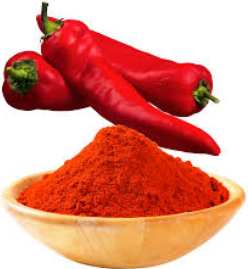
What is Paprika?
Paprika is not just a spice; it’s the heart of Hungarian cooking. This fragrant spice is made by drying a special type of sweet pepper and grinding it into a fine, dense, and richly colored red powder.
Paprika’s flavor is usually mild to medium, but it’s never as fiery as cayenne or chili peppers. Its main purpose is to add bright color and depth of flavor to food, not just to burn your mouth with heat. As such, paprika is a warming spice, not spicy, but mild and aromatic.
While it’s essential to Hungarian cuisine, paprika’s uses aren’t limited to it. It also plays a role in Austrian, Spanish, Indian, and even Moroccan cuisine.
Is paprika very spicy?
Not always. Paprika comes in many different flavors—some are very sweet and mild, while others are moderately spicy. It all depends on the variety of pepper used and the processing method.
- Sweet paprika: Not spicy, but adds color and a slightly sweet flavor.
- Hot paprika: Can be medium to hot.
- Smoky paprika: Can be less spicy, but has a rich, smoky flavor.
Interestingly, despite being one of the most familiar spices in the kitchen, paprika doesn’t have the same heat—it can be sweet, spicy, and smoky, all of which can be used. So, how spicy your paprika is depends on the type you use.
If you want to add a little new flavor and color to your food, then paprika can be a great way to do it. This dry powdered spice is made from different types of dried chilies and adds varying degrees of heat and a touch of red to your recipes.
Many people may be used to sprinkling a light paprika on eggs, but in fact, it is a versatile spice that ranges from sweet, earthy to spicy and deep flavors. As a result, paprika is used as an important ingredient in cuisines around the world.
In this guide, we will learn about the origin of paprika, its different types, benefits, and some useful tips for using it in cooking.
What is paprika made of?
Many people think that paprika is just ordinary chili powder, but it is not. Paprika is made from the dried fruit of the Capsicum annuum plant, which can range from bell peppers (sweet peppers) to hot peppers. These peppers are dried and ground into a powder, the flavor of which depends on the type of pepper and the preparation process.
Other well-known spices made from Capsicum annuum include red pepper powder and chili powder. However, it should be remembered that chili powder usually contains additional spices such as garlic powder, cumin, and oregano, while paprika is usually made from pure dried chili peppers.
What does paprika taste like?
Have you ever wondered what the difference is between smoked paprika and regular paprika? Or have you ever stood in the store and wondered, “Which type of paprika should I choose?” It’s not just about color; each type of paprika has its unique flavor, aroma, and temperature, which can make a big difference in the taste of your recipe.
In general, paprika provides an earthy flavor and dark color, which adds complexity and depth to a dish. However, the flavor of paprika depends on the type of pepper it’s made from. Some paprika is mild and sweet, while others are spicy and hot.
For example:
- Regular paprika is usually mild and slightly sweet.
- Hungarian paprika is much spicier and hotter.
- Smoked paprika has a smoky, woody flavor because it’s made from dried peppers.
Each type of paprika has a different flavor, so it’s important to choose the right type of paprika for your recipe.
Let’s take a look at the different types of paprika so you can understand which ones are best for which recipes.
Choosing the Right Paprika: Types, Flavors, and Uses
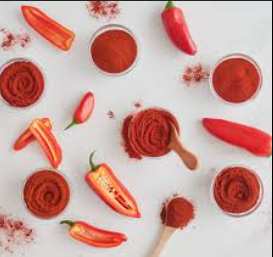
The type of paprika you choose depends on how sweet or spicy you want it to be. Most packages will list the level of spiciness, which can help you choose the right one.
There are many different types of paprika—each with a different flavor, aroma, and heat. In the list below, we’ve clearly outlined the popular paprika varieties, their colors, flavors, and how to use them in recipes:
Choosing the Right Paprika: Types, Flavors, and Uses
There are many types of paprika—each with a different flavor, aroma, and heat. In the list below, we’ve outlined the popular paprika types, their colors, flavors, and how to use them in recipes:
1. Sweet Paprika
This is the most familiar and readily available type of paprika. It is made from fully ripe peppers and is usually processed without the seeds. As a result, it is not spicy. It has a mild and slightly sweet flavor, and is bright red.
Uses: Used to add color and sweetness to eggs, potato salads, sauces, dips, and chicken paprikash. It’s also great for sprinkling on food after cooking.
2. Hot Paprika
This paprika is known for its spicy flavor. It is made from peppers that are high in capsaicin. The level of spiciness can vary slightly, depending on the peppers used and the processing method. The color ranges from orange-red to dark red.
Uses: Use in stews, chili, stir-fries, marinades, and meat rubs when spiciness and depth are needed.
3. Smoked Paprika
This type of paprika is made from dried peppers, which adds a deep, woody flavor. It is available in both sweet and spicy forms. The color usually ranges from dark red to brown.
Uses: Used in barbecue rubs, grilled or roasted vegetables, stews, eggs, and dips to add a smoky aroma and flavor.
4. Hungarian Paprika
There are eight distinct varieties of Hungarian paprika. These include a mild and sweet type of paprika called “különleges” and a spicy and pungent type called “erős”. These add complexity and depth to the flavor. The color can range from bright red to dark red-brown.
Uses: Used in Hungarian goulash, chicken paprikash, and other traditional Hungarian recipes. The type should be chosen based on the level of spiciness in the recipe.
5. Spanish Paprika (Pimentón)
This paprika is primarily produced in the La Vera region of Spain. It is traditionally smoked over oak fires, which gives it a strong smoky flavor. The color is dark reddish-brown.
Uses: Use this paprika in paella, chorizo, barbecue rub, grilled meats, or vegetables to give the dish an authentic Spanish smoky flavor.
Tips:
Don’t want spiciness? Then choose sweet paprika or mild Hungarian paprika.
Need a smoky flavor? Use smoked paprika or Spanish pimentón.
Want a darker color and spiciness? Then, hot paprika is suitable.
Is Paprika Good for Your Health?
Just as paprika is used in our daily meals for flavor and color, it also has some wonderful health benefits. Not only is it delicious, but paprika can be a reliable friend in your nutritional world.
Packed with nutrients
Not many people know that citrus fruits like oranges and lemons are rich in vitamin C, but Nobel Prize-winning Hungarian chemist Albert Szent-Györgyi first discovered that paprika can contain more vitamin C than lemons. Not only that, it contains many other important vitamins and minerals, such as:
- Vitamin A – helps with eye health
- Vitamin E – good for skin and hair
- Vitamin K – helps with blood clotting
- Vitamin B6 and niacin (B3) – help with energy production
- Folate – important for cell division and pregnancy
- Potassium, calcium, and phosphorus – maintain bone and heart health
- Choline – helps with nerve and brain function
Capsaicin: a powerful antioxidant
The compound in paprika called capsaicin is a natural antioxidant, which is found in chili spices. It is associated with various important benefits for the body, such as:
- Improves immunity
- Helps reduce the risk of heart disease
- Slows down the aging process
- May play a role in preventing cancer (there is research-based evidence)
Eat paprika, your body will say “thank you”!
Paprika should not be underestimated in the list of nutritious foods. It not only enhances the taste and color of food, but it can also play a big role as a small ingredient in fulfilling daily nutritional needs. Especially those who have low salt tolerance can easily get these benefits through sweet paprika.
How to use paprika?
From choosing the right paprika to when and how to add it to your food, these tips will help you use paprika correctly in your cooking.
1. Sweet paprika or hot paprika?
Sweet paprika: If you want a beautiful, bright color and a mild sweetness in your food, then choose this. It is generally safe and versatile for all types of cooking.
Hot paprika: If you want a little sizzling heat in your food, then use hot paprika.
2. Start small
Start cooking with a small amount. You can gradually increase the flavor of the paprika. Because if you add too much once, it is difficult to reduce, and the flavor should not be overwhelming.
3. Add paprika at the right time
Sweet paprika: You can add it at the beginning of cooking so that its flavor is infused throughout the dish.
Hot and smoky paprika: Adding this towards the end of cooking will help to enhance the richness of the flavor and help the smoky flavor of the paprika to last longer.
4. What spices do they pair well with?
Paprika pairs well with many spices, such as:
- Rosemary
- Black pepper
- Oregano
- Cumin
- Cinnamon
You can use them together for a deeper, more flavorful flavor.
Conclusion
Paprika is not only used to enhance the taste and color of food, but it is also a spice rich in healthy nutrients. From sweet to hot, smoky flavors, different types of paprika will help you diversify your cooking. By choosing the right type of paprika and using it at the right time, you can make your food delicious and nutritious. The antioxidant and vitamin-rich properties of paprika are also beneficial for the body, so adding paprika to the daily diet is ideal for any health-conscious person.