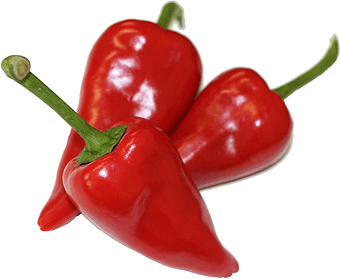
Red hot chili peppers
Overview:
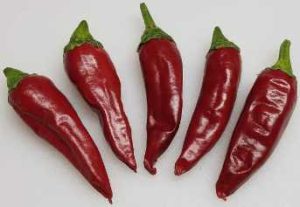 Red hot chili peppers are a type of pepper that is classified as part of the nightshade family (Solanaceae). These peppers contain compounds like capsaicin, responsible for their characteristic heat and spiciness.
Red hot peppers are widely used in cooking for warmth, flavor, and vibrant color. Not only that, they are popular in many cultures and offer numerous health benefits.
However, they should be consumed with caution, especially by those who are sensitive to spicy foods. Whether fresh, dried, or powdered, they are a staple in many culinary traditions, from Mexican and Indian to Southeast Asian cuisine.
Let’s provide more information about red hot chili peppers specifically below:
Botanical Family: Solanaceae (Nightshade family)
Genus: Capsicum
Common Varieties:
Cayenne pepper (often used in its dried form or as a powder)
Thai red chili pepper
Bird’s eye chili
Habanero (though it can be green or red depending on ripeness)
Serrano (sometimes turns red when fully ripe)
Jalapeño (often turns red when overripe)
Key Characteristics:
Color: Red chili peppers turn red when fully ripened (though they can also start as green, yellow, or purple before they ripen).
Heat: The heat level of red hot chili peppers varies significantly depending on the variety. This is measured in Scoville Heat Units (SHU), a scale that quantifies the amount of capsaicin (the compound responsible for heat) in the peppers.
Mild varieties: Jalapeños and Anaheim peppers range from 1,000–8,000 SHU.
Hot varieties: Thai red chili peppers and cayenne peppers can range from 30,000–50,000 SHU.
Very hot varieties: Habaneros and ghost peppers (Bhut Jolokia) can exceed 100,000 SHU, with some varieties like the Carolina Reaper reaching over 2 million SHU.
Red hot peppers Types
What is the best hot red pepper?
Red hot chili peppers come in many different types. Each has its own heat level, flavor profile, and culinary uses. These peppers can range from mild to extremely hot, and they are used in a variety of cuisines around the world.
Below is a list of some of the most popular types of Red hot chili peppers, along with their heat levels, flavor profiles, and common uses.
-
Jalapeño (Capsicum annuum)
- Heat Level: 3,500–8,000 Scoville Heat Units (SHU)
- Flavor: Mild to medium heat with a fresh, grassy, and slightly sweet flavor.
- Uses:
- Commonly used in salsas, guacamole, pickled, or roasted.
- Often served as a topping for nachos, tacos, or in Mexican dishes.
- Stuffed (like jalapeño poppers) or grilled.
-
Thai Bird’s Eye Chili (Capsicum annuum)
- Heat Level: 50,000–100,000 SHU
- Flavor: Very hot with a slightly smoky, citrusy, and herbal flavor.
- Uses:
- Widely used in Thai, Vietnamese, and Indian cuisines.
- Adds heat to curries, soups, stir-fries, and sauces.
- Often included in spicy dips or salsas.
- Can be eaten fresh, fried, or dried.
-
Cayenne Pepper (Capsicum annuum)
- Heat Level: 30,000–50,000 SHU
- Flavor: Hot with a slight smoky, earthy flavor and a pungent, sharp taste.
- Uses:
- Commonly used in hot sauces, spicy powders, or seasoning blends.
- Adds heat to soups, stews, chili, and marinades.
- Often found in Cajun, Creole, and Indian dishes.
-
Habanero (Capsicum chinense)
- Heat Level: 100,000–350,000 SHU
- Flavor: Extremely hot with a fruity, floral, and slightly sweet flavor.
- Uses:
- Common in Caribbean, Mexican, and Latin American cuisines.
- Often used in salsas, hot sauces, and pickled preparations.
- Can be roasted or added to steaks, soups, and curries.
-
Scotch Bonnet (Capsicum chinense)
- Heat Level: 100,000–350,000 SHU
- Flavor: Similar to the habanero but with a more pronounced fruity and tropical flavor, often described as “citrusy” or “peachy.”
- Uses:
- Predominantly used in Caribbean cuisine (especially Jamaican).
- Essential ingredient in jerk seasoning and hot sauces.
- Used in salsas, marinades, and curries.
-
Serrano Pepper (Capsicum annuum)
- Heat Level: 1,000–5,000 SHU
- Flavor: Mild to medium heat with a bright, fresh, and crisp flavor.
- Uses:
- Often used in salsas, salads, and tacos.
- Can be pickled or roasted, and served as a side dish or topping.
- Popular in Mexican cuisine and for fresh dishes.
-
Thai Long Red Chili (Capsicum annuum)
- Heat Level: 50,000–100,000 SHU
- Flavor: Hot with a sharp, slightly sweet, and smoky flavor.
- Uses:
- Frequently used in Thai, Indonesian, and Indian cuisines.
- Often found in curries, stir-fries, and chili pastes.
- Can be used fresh, dried, or fried.
-
Fresno Pepper (Capsicum annuum)
- Heat Level: 2,500–10,000 SHU
- Flavor: Mild to medium heat with a fruity and slightly sweet flavor.
- Uses:
- Commonly used in salsas, sauces, or as a garnish.
- Can be roasted, pickled, or eaten fresh in Mexican dishes.
- Often found in salsa roja and guacamole.
-
Tabasco Pepper (Capsicum frutescens)
- Heat Level: 30,000–50,000 SHU
- Flavor: Hot with a tangy, vinegary flavor that is often associated with Tabasco sauce.
- Uses:
- Key ingredient in the famous Tabasco hot sauce.
- Used in cocktails like Bloody Mary, as well as in marinades and soups.
-
Carolina Reaper (Capsicum chinense)
- Heat Level: 1,400,000–2,200,000 SHU
- Flavor: Extremely hot with a fruity, slightly sweet flavor, often described as citrusy or cherry-like.
- Uses:
- Used in extremely spicy hot sauces, chili paste, and as a food challenge.
- Can be added to extreme spicy dishes, but should be used with caution due to its intensity.
-
Ghost Pepper (Bhut Jolokia) (Capsicum chinense)
- Heat Level: 1,000,000–1,500,000 SHU
- Flavor: Exceptionally hot with a fruity and slightly smoky flavor.
- Uses:
- Often used in extremely hot sauces and salsas.
- Can be used in curries, pickles, and food challenges.
- Due to its heat, it should be used sparingly and handled carefully.
-
Cherry Pepper (Capsicum annuum)
- Heat Level: 2,000–5,000 SHU
- Flavor: Mild to medium heat with a tangy and sweet flavor.
- Uses:
- Often pickled and used in sandwiches, salads, or as a topping.
- Also popular in Italian cuisine (e.g., pickled cherry peppers stuffed with cheese).
-
Padrón Pepper (Capsicum annuum)
- Heat Level: 500–2,000 SHU (varies widely)
- Flavor: Mild to medium heat with a slightly smoky, grassy flavor. Some peppers can be unexpectedly hot.
- Uses:
- Often fried in olive oil and served as a tapa in Spanish cuisine.
- Can be used in salads, salsas, or as an appetizer.
-
Pasilla de Oaxaca (Capsicum annuum)
- Heat Level: 3,000–5,000 SHU
- Flavor: Smoky, earthy, and mildly sweet with a deep complexity.
- Uses:
- Used in Mexican mole sauces or salsas.
- Can be roasted, grilled, or used in dried form to add a smoky depth to dishes.
-
Mulato Pepper (Capsicum annuum)
- Heat Level: 2,500–3,000 SHU
- Flavor: Mild heat with a deep, sweet, and smoky flavor.
- Uses:
- Common in Mexican moles, salsas, and soups.
- Often used in dried form to add a rich, smoky flavor.
Health Benefits of red hot chili peppers
Capsaicin is a powerful compound found in red chili peppers that has several health benefits. The key health benefits of red hot chili peppers:
-
Boosts Metabolism and Weight Loss
- Thermogenic Effect: Capsaicin has been shown to increase thermogenesis, which is the process of heat production in the body. This can lead to a temporary boost in metabolism, causing the body to burn more calories.
- Fat Burning: Studies suggest that capsaicin can promote fat oxidation (fat burning) and help with weight management. It can increase the rate at which the body burns fat during exercise and daily activities.
- Appetite Suppression: Capsaicin may also help reduce appetite, leading to lower food intake, which can be beneficial for those trying to lose or maintain weight.
-
Pain Relief
- Natural Painkiller: Capsaicin is used in topical creams and ointments for its analgesic properties (pain-relieving effects). When applied to the skin, it desensitizes nerve receptors, reducing the sensation of pain.
- Arthritis and Muscle Pain: Capsaicin is commonly used to treat conditions like osteoarthritis and muscle pain. It works by depleting substance P, a neurotransmitter involved in sending pain signals to the brain.
- Neuropathy: Capsaicin creams are sometimes used to treat nerve pain (neuropathy), including conditions like diabetic neuropathy or shingles.
-
Improves Heart Health
- Blood Circulation: Capsaicin can improve blood circulation by increasing the heart rate and helping blood vessels relax. This can enhance the flow of oxygen-rich blood to organs and tissues.
- Cholesterol Regulation: Some studies suggest that capsaicin may help reduce LDL (bad) cholesterol levels while increasing HDL (good) cholesterol, contributing to a healthier cholesterol balance.
- Blood Pressure: Regular consumption of chili peppers has been linked to lower blood pressure due to their ability to relax blood vessels and improve circulation.
-
Anti-Inflammatory Properties
- Reduces Inflammation: Capsaicin is a powerful anti-inflammatory agent. It has been shown to reduce the production of pro-inflammatory chemicals in the body, which may help in conditions like rheumatoid arthritis and inflammatory bowel disease (IBD).
- Chronic Disease Prevention: Chronic inflammation is thought to contribute to many diseases, including heart disease, cancer, and neurodegenerative disorders like Alzheimer’s. Capsaicin’s anti-inflammatory effects may help reduce the risk of these conditions.
-
Antioxidant Effects
- Rich in Vitamins A and C: Red hot chili peppers are packed with vitamin A (from carotenoids like beta-carotene) and vitamin C. Both of these vitamins are potent antioxidants that help fight oxidative stress and cellular damage caused by free radicals.
- Cell Protection: The antioxidant properties of chili peppers can help protect cells from damage that can lead to aging, skin damage, and chronic diseases.
-
Supports Digestion
- Stimulates Digestion: Capsaicin stimulates the production of digestive juices, such as saliva and gastric acid, which can help improve digestion. This makes chili peppers beneficial for those suffering from digestive issues like indigestion or bloating.
- Gut Health: Some studies suggest that capsaicin can increase the growth of good bacteria in the gut, promoting a healthy microbiome and improving overall digestive health.
- Improved Blood Flow to the Stomach: Capsaicin increases blood circulation to the stomach, which can enhance the absorption of nutrients and improve overall digestive function.
-
Fights Cold and Flu
- Decongestant: The spiciness of red hot chili peppers can help clear nasal congestion. Capsaicin acts as a natural decongestant, helping to thin mucus and clear blocked sinuses, which can be beneficial during colds or flu.
- Stimulates Sweating: Consuming hot chili peppers can induce sweating, which helps to cool the body and flush out toxins. Sweating also promotes detoxification through the skin.
- Vitamin C: The high vitamin C content of chili peppers can support the immune system and reduce the severity and duration of colds.
-
Cancer Prevention
- Anti-Cancer Properties: Some studies have suggested that capsaicin may have anticancer effects. It has been shown to induce apoptosis (programmed cell death) in cancer cells while inhibiting the growth of certain types of tumors, including those of the lung, colon, and breast.
- Antioxidant Role: The antioxidants in chili peppers can help neutralize free radicals, which are associated with an increased risk of cancer.
- Inhibits Cancer Cell Proliferation: Capsaicin may also help inhibit the spread of cancer cells and reduce the formation of blood vessels that supply tumors (angiogenesis).
-
Improves Mood and Mental Health
- Mood Enhancement: Capsaicin stimulates the release of endorphins and dopamine, the “feel-good” chemicals in the brain, which can improve mood and help reduce feelings of stress or anxiety.
- Combat Depression: Some studies suggest that the endorphin boost from capsaicin could have mild antidepressant effects, improving mental health and reducing symptoms of depression.
-
Skin Health
- Acne Treatment: Due to its anti-inflammatory and antioxidant properties, capsaicin is sometimes used in topical treatments for acne and skin irritation. It helps to reduce inflammation in the skin and promote healthy circulation.
- Anti-Aging: The antioxidant-rich profile of red hot chili peppers can help slow down the aging process by preventing oxidative damage to the skin, keeping it youthful and resilient.