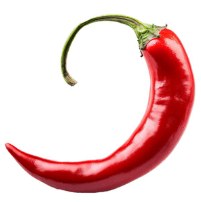
Thai Long Red Chili
Overview:
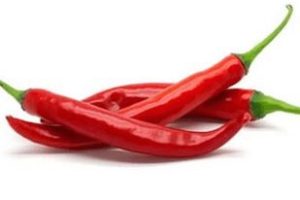 The scientific name of Thai long red pepper is Capsicum annuum and it belongs to the Solanaceae family (nightshade family).
Thai long red chilies are a popular variety of chili pepper commonly used in Thai cuisine and other Southeast Asian cuisines.
These chilies are long and slender, typically 3 to 4 inches (7 to 10 cm) long. They are bright red in color when ripe.
These chilies have a pungent and slightly fruity flavor. The heat can be intense, but it is also aromatic, adding a distinctive flavor profile to dishes.
Green Thai chili peppers are used in Southeast Asian cuisine, especially Thai cuisine. While both peppers share a similar heat profile, there are some differences in flavor and intensity.
Heat Level (Scoville):
Green Thai chili peppers typically range from 50,000 to 100,000 SHU, which is similar to red Thai chili peppers but can sometimes feel a bit milder depending on the specific variety and ripeness.
These chilies are often used in Thai curries, stir-fries, salads, soups, and dipping sauces. They can be chopped, sliced, or roasted into a chili paste.
Thai long red chilies are often dried and ground into chili powder or used to make chili pastes. They can be used fresh in salsas, sauces, or salads, or dried and stored for later use in cooking.
What are long red chillies called?
Long red pepper is commonly known by different names depending on the region and variety.
-
Thai Long Red Chili
- Other Names: Thai Red Chili, Bird’s Eye Chili (though sometimes this term refers to smaller varieties)
- Description: These are the long, thin red chilies typically used in Thai cuisine. They are around 3-4 inches long, with a bright red color when ripe and a spicy heat level.
-
Cayenne Pepper
- Description: This is another well-known long red chili that is often dried and ground into chili powder. It’s often used in cooking for its sharp, spicy heat and mild flavor. Fresh cayenne peppers can also be found, but the dried variety is more common.
-
Fresno Chili
- Description: Similar to a red jalapeño but milder and with a slightly sweeter taste. The Fresno chili is often used in salsas, sauces, and garnishes.
-
Red Chili Pepper (General)
- Description: In many countries, the term “long red chili” may simply refer to any long, thin red chili variety. These can range from mild to quite spicy, depending on the specific variety.
-
Chili de Arbol
- Description: A long, red chili commonly used in Mexican cuisine. It has a slender shape and is often used dried in salsas or sauces. It has a heat level similar to cayenne.
-
Serrano Pepper (Red)
- Description: Though typically harvested while still green, Serrano peppers can also be found in their red form. They are medium-sized and typically used in Mexican cuisine.
-
Long Red Hot Chili
- Description: This is a generic name for any long, red, hot chili, commonly used in various cuisines around the world.
How hot are long red chili peppers?
Long red chili peppers, depending on the specific variety, can range from mild to quite hot. On the Scoville heat scale, their heat typically falls between 30,000 and 100,000 Scoville Heat Units (SHU).
Heat can vary depending on how the pepper is grown and ripened, but in general, long red chili peppers fall on the hot side of the scale. If you are using them in cooking, you can adjust the amount based on your heat tolerance.
-
Thai Long Red Chili
- Scoville Heat: 50,000 to 100,000 SHU
- Heat Level: Very hot. This chili is commonly used in Thai cuisine and adds intense spiciness to dishes.
-
Cayenne Pepper (Fresh Red)
- Scoville Heat: 30,000 to 50,000 SHU
- Heat Level: Moderately hot to very hot. It’s commonly dried and ground into powder, but fresh cayenne peppers can also be used.
-
Chili de Arbol
- Scoville Heat: 15,000 to 30,000 SHU
- Heat Level: Hot. While not as intense as Thai Long Red Chilies or cayenne, they still add a significant kick to dishes.
-
Fresno Chili (Red)
- Scoville Heat: 2,500 to 10,000 SHU
- Heat Level: Mild to medium. The red Fresno chili is much milder compared to Thai Long Red or cayenne peppers, offering a more moderate level of heat.
Thai long red chili recipe
Here’s a delicious Thai recipe that makes great use of the Thai Long Red Chili: Thai Red Curry Chicken. It’s a flavorful, spicy dish with rich coconut milk and aromatic spices.
Thai Red Curry Chicken (Gaeng Phet Gai)
Ingredients:
- 2 tablespoons vegetable oil
- 3-4 Thai Long Red Chilies, chopped (adjust to your preferred spice level)
- 1 tablespoon garlic, minced
- 1 tablespoon ginger, minced
- 2 tablespoons red curry paste (store-bought or homemade)
- 1 can (400ml) coconut milk
- 1 lb (450g) chicken breast, sliced into thin strips
- 1 cup bell peppers, sliced (red and green)
- 1 small onion, sliced
- 1 cup baby carrots, sliced
- 1/2 cup bamboo shoots (optional)
- 1 tablespoon fish sauce
- 1 tablespoon soy sauce
- 1 teaspoon brown sugar
- 1/2 cup fresh basil leaves
- 1 tablespoon lime juice (fresh)
- Optional garnish: Chopped cilantro and lime wedges
Instructions:
- Prepare the Red Curry Paste: If you’re making homemade red curry paste, combine chopped Thai Long Red Chilies, garlic, ginger, lemongrass (optional), kaffir lime leaves, coriander roots, and shrimp paste (optional) in a food processor. Grind into a smooth paste. If you’re using store-bought, skip this step.
- Sauté the Aromatics: Heat the vegetable oil in a large pan or wok over medium heat. Add the chopped Thai Long Red Chilies, garlic, and ginger. Stir-fry for about 1-2 minutes until fragrant. Be cautious as the chilies can become quite potent when heated.
- Cook the Red Curry Paste: Add the red curry paste to the pan, cooking it for 2-3 minutes while stirring to bring out its aromatic flavors.
- Add Coconut Milk: Pour in the coconut milk, stirring to combine with the curry paste. Bring to a gentle simmer.
- Cook the Chicken: Add the sliced chicken breast to the pan, cooking for about 5-7 minutes or until the chicken is cooked through and tender. Stir occasionally.
- Add Vegetables: Stir in the bell peppers, onions, baby carrots, and bamboo shoots (if using). Let the curry simmer for another 5-7 minutes until the vegetables are tender but still vibrant.
- Season the Curry: Add the fish sauce, soy sauce, and brown sugar. Adjust the seasoning according to your taste, adding more fish sauce for saltiness, sugar for sweetness, or more chili for heat.
- Finish the Dish: Stir in the lime juice and fresh basil leaves. Allow the basil to wilt and infuse its flavor into the curry.
- Serve: Serve the Thai Red Curry Chicken over jasmine rice or noodles. Garnish with chopped cilantro and lime wedges for a fresh, zesty kick.
Optional Variations:
- For extra heat: Add more chopped Thai Long Red Chilies during the sautéing stage or top with extra chili slices before serving.
- Vegetarian Option: Substitute the chicken with tofu or vegetables like eggplant, zucchini, or mushrooms.
- Sweetness Level: Adjust the sugar to your preference. Some people prefer a sweeter curry to balance the heat.
Thai chili vs Habanero
Thai chilies and habanero peppers are both known for their intense heat, but they differ in several key aspects: flavor, heat level, appearance, and culinary uses.
-
Heat Level (Scoville Heat Units)
Thai Chilies:
Scoville Heat: 50,000 to 100,000 SHU
These are generally quite hot, especially the long red varieties (like Thai Long Red Chilies), but they’re not as fiery as habaneros.
Habanero Peppers:
Scoville Heat: 100,000 to 350,000 SHU
Habaneros are significantly hotter than Thai chilies. They’re among the hottest peppers commonly available for cooking, often with a fruitier and sweeter undertone to balance the heat.
-
Appearance
Thai Chilies:
Shape: Thin and long (3-4 inches), often slender and slightly curved.
Color: Usually red when ripe, though they can also appear green when unripe.
Texture: Firm and smooth with thin skin.
Habanero Peppers:
Shape: Small, squat, and bell-shaped, with a characteristic wrinkled skin.
Color: They ripen from green to a bright orange, but can also be found in red, yellow, and other colors.
Texture: Thicker, more fleshy skin, and often more “meaty” inside than Thai chilies.
-
Flavor Profile
Thai Chilies:
These chilies have a sharp, pungent heat that can be quite intense, with a slightly grassy and bitter flavor, especially when used fresh. The heat can be quick and intense but dissipates more quickly compared to habaneros.
Habanero Peppers:
Habaneros have a fruity, floral heat with a sweet, citrus-like undertone, especially when ripe. They can add a different complexity to dishes, where their heat is often accompanied by a tropical fruitiness, making them more flavorful in addition to being hot.
-
Culinary Uses
Thai Chilies:
These chilies are commonly used in Thai, Vietnamese, and Cambodian cuisines. They are added to curries, stir-fries, and soups like Tom Yum and green curry, and are often used in dipping sauces and salsas (such as Nam Prik).
They are often used fresh, but they can also be dried or made into chili paste (Nam Prik Pao). They provide sharp, intense heat that balances other flavors in Thai cooking.
Habanero Peppers:
Habaneros are popular in Mexican, Caribbean, and Latin American cooking. They are often used in salsas, hot sauces, and marinades. The fruitiness of habaneros pairs well with tropical flavors like mango, pineapple, and lime.
They can be used fresh, pickled, or dried (as in chipotle peppers), and they are especially famous for spicy sauces and salsas.
-
Spice Intensity Comparison
Thai Chilies:
While they are very hot, they usually don’t have the overwhelming heat that some other chilies (like habaneros) do. The heat is sharp and immediate, but it typically fades relatively quickly.
Habaneros:
These peppers are much hotter, with a heat that lingers longer and tends to have a deep burn. The heat is intense, and even small amounts can make a significant impact, especially for those not accustomed to super-hot peppers.
-
How to Handle and Use Them
Thai Chilies:
Use small amounts to add sharp heat to curries, stir-fries, or soups. Because they’re often used whole or chopped, be careful when handling them — wearing gloves is advisable.
Habaneros:
Handle with care since they’re much hotter. Always wear gloves when chopping or handling habaneros, and be sure to wash your hands thoroughly after touching them. They can be added to salsas, sauces, or marinades, but use sparingly if you’re sensitive to heat.
Summary of Differences:
| Feature | Thai Chilies | Habanero Peppers |
| Heat Level | 50,000 to 100,000 SHU | 100,000 to 350,000 SHU |
| Appearance | Thin, long, bright red (or green) | Small, squat, wrinkled, orange/red |
| Flavor Profile | Sharp, pungent, slightly bitter | Fruity, sweet, floral, citrus-like |
| Culinary Uses | Curries, soups, stir-fries, dipping sauces (Thai, Vietnamese) | Salsas, sauces, marinades (Mexican, Caribbean) |
| Heat Duration | Quick burst, dissipates faster | Lingering, deep burn |
| Handling | Wear gloves; use in moderation | Wear gloves; use sparingly |
Both peppers are excellent for adding heat, but habaneros are generally better suited for those who want an intense, lasting burn and a fruity undertone, while Thai chilies are perfect for quick, sharp heat in Southeast Asian dishes.