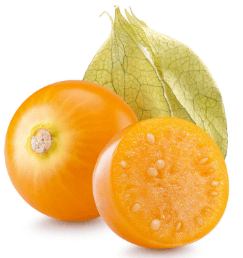
Physalis fruit
Overview:
Scientific name: Physalis peruviana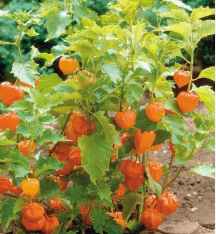
The Physalis fruit is a small, round fruit that is wrapped in a papery husk, resembling a tiny lantern. Physalis is a genus of plants in the nightshade family.
It is part of the Solanaceae family, including tomatoes and peppers. The fruit is native to South America, particularly the Andes region (Peru, Colombia, Ecuador).
Some popular names for physalis include:
- Cape gooseberry
- Goldenberry
- Ground cherry
- Husk cherry
- Peruvian cherry
Characteristics of the Physalis Fruit:
- Size: About the size of a cherry or small grape (typically 1–2 cm in diameter).
- Appearance: The fruit is bright orange when ripe, encased in a thin, papery husk that looks like a little lantern. The husk is not edible, and you need to remove it before eating the fruit.
- Flavor: The fruit has a sweet-tart flavor, a unique combination of pineapple, citrus, and tomato flavors. It’s often described as tangy and refreshing.
Nutritional Benefits:
Physalis is nutrient-dense, containing a range of vitamins, minerals, and antioxidants:
- Vitamin C: A potent antioxidant that boosts immunity, promotes healthy skin, and helps fight infections.
- Fiber: Physalis is a good source of fiber, which aids in digestion and helps regulate bowel movements.
- Antioxidants: The fruit is rich in carotenoids (including beta-carotene) and flavonoids, which protect the body from oxidative stress and inflammation.
- Minerals: It contains important minerals like potassium, iron, calcium, and phosphorus.
How to Eat Physalis:
- Remove the Husk: Peel off the papery husk before eating. The husk is not edible.
- Eat the Fruit: The fruit itself is small, round, and bright orange when ripe. You can eat it raw, or you can use it in recipes.
Ways to Enjoy Physalis:
- Eat Fresh: Enjoy the fruit as a snack or add it to fruit salads.
- Desserts: Add it to tarts, cakes, or use it as a garnish on desserts.
- Jams & Jellies: Physalis can be made into delicious jams and jellies.
- Smoothies: Blend it into smoothies for a tangy, flavorful kick.
- Salsas: Incorporate it into salsas or chutneys for a fresh, tangy flavor.
Caution:
Unripe Fruit: Avoid eating unripe (green) Physalis, as it contains the toxic solanine and can cause digestive issues. Always ensure the fruit is fully ripe and orange before consuming.
Health Benefits:
- Boosts Immunity: Due to its high vitamin C content, it strengthens the immune system.
- Anti-Inflammatory: The antioxidants help reduce inflammation and combat oxidative stress.
- Digestive Health: The fiber content promotes healthy digestion and regular bowel movements.
- Skin Health: Vitamin C and other antioxidants help with collagen production, promoting healthy, youthful skin.
What Does It Look Like?
- Fruit: Bright orange, about the size of a cherry tomato, wrapped in a delicate, papery husk.
- Flavor: Sweet and tangy, like a cross between pineapple, tomato, and citrus.
- Plant: Small bush or shrub, can grow 3–6 feet (1–2 m) tall.
Growing Tips:
- Likes full sun and well-drained soil
- Can be grown from seed, indoors or outdoors
- Needs a long, warm growing season—good in greenhouses or warm climates
- Prune for better fruit production
Is it safe to eat Physalis?
Yes, Physalis peruviana (Cape gooseberry or goldenberry) is safe to eat when it is fully ripe. The ripe fruit is sweet and tangy and has numerous health benefits.
However, there are a few important things to keep in mind:
Safe to Eat:
- The ripe fruit (bright orange) is completely safe to consume.
- The fruit is rich in nutrients, including vitamin C, antioxidants, and fiber.
Precautions:
- Unripe fruit: The unripe (green) fruit can be toxic. It contains compounds like solanine, which can cause nausea, vomiting, and other digestive issues. It’s important to only eat the fruit when it’s fully ripe and orange.
- Other parts of the plant: The leaves and stems of the Physalis peruviana plant may also be toxic if consumed due to the same compounds.
Tips:
- Check the husk: The fruit is enclosed in a papery husk. When the fruit falls off the plant and the husk starts to brown, it’s usually an indication that the fruit is ripe.
- Taste test: If the fruit is ripe, it will have a sweet-tart taste, making it a great addition to salads, desserts, or eaten fresh.
Physalis fruit how to eat?
Eating Physalis peruviana (Cape gooseberry or goldenberry) is easy and delicious! Here’s how you can enjoy the fruit:
- Remove the Husk
- The fruit is encased in a papery husk that looks like a tiny lantern.
- Simply peel back or remove the husk. The husk itself is not edible.
- Check for Ripeness
- Look for bright orange fruit inside the husk. This indicates it’s ripe and ready to eat.
- Avoid eating any green or unripe fruit, as it may be toxic.
- Eat the Fruit
- Once the husk is removed, you can eat the entire fruit! It’s small, about the size of a cherry, and can be popped directly into your mouth.
- The flavor is sweet and tangy, with hints of pineapple and citrus.
Ways to Enjoy:
- Fresh: Just eat the fruit as a snack or toss it into a fruit salad.
- Desserts: Add it to tarts, cakes, or use it to garnish desserts.
- Jams and Jellies: Goldenberries are perfect for making tangy jams or preserves.
- Smoothies: Blend them into smoothies for a burst of flavor.
- Salsas: Try adding them to a fresh salsa for a zesty kick.
Bonus Tip:
- If you have a bunch of physalis, you can even make candied goldenberries by dipping them in sugar or honey and letting them dry.
Physalis benefits
Physalis peruviana (Cape gooseberry or goldenberry) offers a range of impressive health benefits due to its rich nutritional profile.
Here are some of the key benefits of eating Physalis:
- Rich in Vitamin C
- Boosts immunity: Physalis is packed with vitamin C, which helps strengthen the immune system and protect against common illnesses like colds and flu.
- Promotes healthy skin: Vitamin C is also essential for collagen production, helping to maintain healthy skin and reduce signs of aging.
- Antioxidant Properties
- Fights free radicals: The fruit contains antioxidants, including phenolic compounds, flavonoids, and carotenoids, which help neutralize harmful free radicals in the body.
- Reduces inflammation: These antioxidants also help reduce inflammation, which can protect against chronic diseases like heart disease and arthritis.
- High in Fiber
- Supports digestion: Physalis is an excellent source of dietary fiber, which aids in digestion and helps regulate bowel movements.
- Promotes gut health: Fiber helps to maintain a healthy gut microbiome and can prevent constipation.
- Rich in Essential Nutrients
- Minerals: Physalis contains important minerals like potassium, phosphorus, calcium, and iron, which are important for bone health, muscle function, and overall well-being.
- B vitamins: It also provides some B vitamins, which are important for energy production and maintaining a healthy nervous system.
- Supports Weight Loss
- Low in calories: Goldenberries are naturally low in calories but high in nutrients, making them a great snack for weight management.
- Regulates appetite: The fiber content helps keep you feeling full longer, reducing the likelihood of overeating.
- Improves Eye Health
- Rich in beta-carotene: Physalis contains beta-carotene, a form of vitamin A that is essential for good vision and eye health.
- Prevents age-related eye diseases: Regular consumption may help reduce the risk of conditions like macular degeneration and cataracts.
- Anti-Cancer Potential
- Some studies suggest that the antioxidants in Physalis may have potential anti-cancer properties, helping to inhibit the growth of cancer cells. However, more research is needed to confirm these effects in humans.
- Helps with Diabetes Management
- Regulates blood sugar: The fruit has a low glycemic index, meaning it can help regulate blood sugar levels. It can be beneficial for those with diabetes or those looking to prevent the condition.
- Rich in flavonoids: The flavonoids in Physalis may also help improve insulin sensitivity.
Physalis poisonous
Physalis peruviana (Cape gooseberry or goldenberry) is generally safe to eat when ripe, but like many members of the nightshade family (Solanaceae), it can be toxic if consumed unripe or in certain parts.
When Is Physalis Poisonous?
- Unripe Fruit:
- Physalis’ unripe (green) fruit contains solanine, a toxic compound found in many nightshades (like tomatoes and potatoes). Consuming unripe Physalis can cause nausea, vomiting, and stomach upset.
- Always ensure the fruit is fully ripe—it will turn bright orange when ready.
- Other Parts of the Plant:
- Leaves, stems, and unripe parts of the plant can also contain toxic compounds, including solanine, and should be avoided. Even if the fruit is ripe, it’s best to consume only the fruit itself.
How to Safely Eat Physalis:
- Ripe Fruit: Make sure the fruit is fully ripe, bright orange, and free of green spots. The husk should be brown and dry, and the fruit should easily detach from the plant.
- Avoid the Husk: While the husk protects the fruit, it is not edible, so peel it off before eating.
Symptoms of Poisoning:
If you consume unripe Physalis or parts of the plant:
- Nausea
- Vomiting
- Stomach cramps
- Diarrhea
- In severe cases, headache or dizziness may occur.