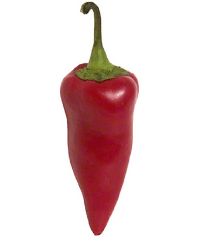
Red Fresno Hot Chili Peppers
Overview:
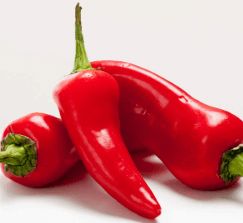 Fresno pepper is a variety of Capsicum, Scientific Name: Capsicum annuum (Fresno variety) and belongs to the Solanaceae family, also known as the nightshade family.
The Solanaceae family includes a wide range of plants, many of which are important in both food and medicine.
Fresno peppers are actually a versatile and flavorful variety of chili pepper. They add a distinct smoky and fruity flavor to dishes.
The heat level is milder than many other peppers, although it can pack more of a punch when fully ripe. Fresno peppers are a delicious and versatile pepper that can be used in a variety of dishes.
Shape and Size of Fresno Peppers:
Fresno peppers are medium-sized, typically 2-3 inches long, and have a slightly curved, conical shape. They are similar in size to small jalapeños but are usually thinner.
Color of Fresno Peppers:
Like many peppers, Fresno peppers start out green and gradually turn red as they ripen. The transition from green to red signals an increase in heat and depth of flavor, with red Fresno peppers typically having a more intense flavor profile.
Heat Level of Fresno Peppers:
Fresno peppers are generally milder than jalapeños, falling between 2,500 and 10,000 Scoville Heat Units (SHU). While jalapeños typically range from 3,500 to 8,000 SHU, Fresno peppers have a wide range of heat depending on their maturity and growing conditions.
Fresno Pepper Flavor:
Smoky, fruity, and slightly tangy, they offer a more complex flavor than jalapenos, making them great for dishes where you want a deeper chili flavor without the overpowering heat.
Fresno Pepper Flavor:
Fresno peppers have a unique smoky flavor with fruity undertones. This makes them a great addition to salsas, sauces, and marinades. The fruitiness combined with their smoky undertones makes them a popular choice for dishes where you want a balance of heat and rich flavor.
Fresno Pepper Texture:
Thin Walls and Smooth Skin: Fresno peppers are more delicate than jalapenos. Their thinner flesh means they can cook or dry out quickly, but this gives them a crisp texture when fresh. They have a smooth skin that makes them great for grilling, roasting, or even stuffing.
Fresno peppers substitute
If you’re looking for a substitute for Fresno peppers depending on the level of heat and flavor you’re aiming for in your dish; here are a few good Fresno pepper substitutes:
- Jalapeño Peppers
- Flavor: Slightly milder and less fruity, but still a good match for most dishes that require Fresno peppers.
- Heat: 3,500 – 8,000 SHU, which is similar to Fresno’s heat range.
- Substitute Use: Best used when you want a comparable texture and heat, but with a more subdued fruity flavor.
- Red Serrano Peppers
- Flavor: These peppers are slightly sweeter and have a more pronounced heat compared to jalapeños, but the flavor is quite similar to Fresno when fully ripe.
- Heat: 2,500 – 5,000 SHU, which is on par with Fresno peppers.
- Substitute Use: A good choice if you’re looking for a pepper with more heat but still want that bright, tangy flavor.
- Banana Peppers (Red or Yellow)
- Flavor: Milder and sweeter, banana peppers won’t replicate the heat but can mimic the crispness and texture of Fresno peppers.
- Heat: 500 – 1,000 SHU, which is much milder than Fresno.
- Substitute Use: If you want a milder dish without the intense heat but still need a crunchy texture, banana peppers are a suitable option.
- Padrón Peppers
- Flavor: Padrón peppers have a smoky and slightly bitter flavor, making them an interesting substitute for Fresno peppers in cooked dishes.
- Heat: Varies, typically mild but can occasionally be spicy (up to 2,500 SHU).
- Substitute Use: Great for roasting or grilling, and they provide a different but enjoyable taste when fresh or cooked.
- Cayenne Pepper (Fresh or Dried)
- Flavor: Fresh cayenne peppers have a sharper, more pungent heat and a bit of bitterness, but the flavor is similar.
- Heat: 30,000 – 50,000 SHU, much hotter than Fresno peppers, so use cautiously.
- Substitute Use: Ideal if you need more heat, but consider using a smaller quantity and mixing it with a milder pepper if you want a balanced flavor.
- Habanero Peppers (for a hotter kick)
- Flavor: Fruity with an intense heat; this is a good substitute if you’re craving more heat.
- Heat: 100,000 – 350,000 SHU, significantly hotter than Fresno.
- Substitute Use: Use sparingly! If you’re looking for heat and flavor but want to avoid the mild-medium range of Fresno, this will take your dish to another level of spiciness.
- Anaheim Peppers (if you’re looking for mild)
- Flavor: Mild, slightly sweet, with a grassy flavor.
- Heat: 500 – 2,500 SHU, significantly milder than Fresno peppers.
- Substitute Use: Ideal for recipes where you want a pepper with less heat but still want a bit of crunch and sweetness.
Fresno pepper vs jalapeno
The Fresno pepper and jalapeño pepper are both very popular chili peppers. However, while they share some similarities, there are some key differences in flavor, heat, and appearance that set them apart.
- Appearance
- Fresno Pepper:
- Size: Typically 2 to 3 inches long.
- Shape: Tapered, conical shape.
- Color: Green when immature, turning vibrant red when ripe.
- Jalapeño Pepper:
- Size: Generally 2 to 3 inches long, similar to Fresno.
- Shape: Thick, cylindrical, and somewhat stubby with a slight curve.
- Color: Dark green when unripe, turning red as it ripens (but typically used while green).
- Heat Level
- Fresno Pepper:
- Heat: 2,500 to 10,000 Scoville Heat Units (SHU), which is slightly hotter than a jalapeño.
- Spice Profile: Fresno peppers often have a sharper, more intense heat that can feel slightly more immediate and tingling, but still remains medium in heat.
- Jalapeño Pepper:
- Heat: 3,500 to 8,000 SHU, which is within the same range as Fresno but usually a little milder.
- Spice Profile: Jalapeños have a consistent, more rounded heat that builds gradually and tends to feel more earthy.
- Flavor
- Fresno Pepper:
- Taste: Fresh Fresno peppers have a brighter, fruitier, and somewhat sweeter flavor compared to jalapeños. They can also have a faint smoky undertone when cooked.
- Complexity: The flavor is often described as more dynamic with a sharper bite, especially when fully ripe and red.
- Jalapeño Pepper:
- Taste: The flavor of a jalapeño is more herbaceous, grassy, and slightly sweet but with less complexity. When cooked, it becomes more smoky.
- Simplicity: Jalapeños are known for having a straightforward, less fruity flavor compared to Fresno peppers.
- Texture
- Fresno Pepper: The flesh is slightly thinner than that of a jalapeño, which gives it a bit more crispness when raw.
- Jalapeño Pepper: Typically a little thicker, and often retains a fleshy texture, particularly when cooked.
- Culinary Uses
- Fresno Pepper:
- Fresh: Often used in salsas, guacamoles, or fresh dishes where its fruity heat can shine.
- Cooked: Can be roasted or grilled for a smokier flavor, and it’s excellent when pickled.
- Jalapeño Pepper:
- Fresh: Commonly used in salsas, tacos, and sandwiches, or as a topping on burgers.
- Cooked: Works well grilled, pickled, or stuffed (e.g., jalapeño poppers) and is often used in hot sauces for a mild-to-medium heat.
- Availability
- Fresno Pepper: Slightly less common in grocery stores than jalapeños, but still available in many supermarkets, especially in areas with larger Hispanic or Latinx communities.
- Jalapeño Pepper: Very common and widely available, making it one of the most popular chili peppers in the U.S. and around the world.
- Substitution
- Fresno Pepper for Jalapeño: If you want a fruitier, slightly hotter alternative, Fresno can be used in place of a jalapeño, but it may add more tang and complexity to your dish.
- Jalapeño Pepper for Fresno: If you need something with a milder, more earthy heat, jalapeños can substitute Fresno peppers, but your dish will likely be less tangy and a bit more straightforward in flavor.
Fresno pepper vs serrano
The Fresno pepper and Serrano pepper are both popular chili peppers. However, they differ in terms of flavor, heat, appearance, and typical culinary uses. Let’s discuss some comparisons:
- Appearance
- Fresno Pepper:
- Size: Typically 2 to 3 inches long.
- Shape: Slender, slightly curved, with a smooth, glossy skin.
- Color: Starts green and ripens to a bright red (though it can be used while green).
- Serrano Pepper:
- Size: Slightly smaller, about 1.5 to 3 inches long.
- Shape: More uniform, straight, with a smoother, thinner skin.
- Color: Usually green when picked but turns red, brown, or orange as it ripens.
- Heat Level
- Fresno Pepper:
- Scoville Heat Units (SHU): 2,500 to 10,000 SHU.
- The heat level is moderate and can vary depending on the pepper’s maturity, but it’s generally similar to that of a jalapeño.
- Serrano Pepper:
- Scoville Heat Units (SHU): 1,000 to 5,000 SHU.
- Serranos are generally a little milder than Fresnos, but they can still pack a fair amount of heat, depending on the variety.
- Flavor Profile
- Fresno Pepper:
- Flavor: Fresno peppers are fruity, sweet, and have a fresh, crisp taste. Their heat is more balanced with their sweetness, and the flavor is more vibrant compared to other chilies.
- Serrano Pepper:
- Flavor: Serranos have a more grassy or herbaceous flavor with a sharper, cleaner heat. While they have a subtle sweetness, their flavor is less fruity compared to Fresnos.
- Culinary Uses
- Fresno Pepper:
- Commonly used in salsas, hot sauces, and pickling due to their balance of heat and sweetness.
- Great for raw dishes like salads, sandwiches, or garnishes.
- Grilled or roasted, they develop a mild smoky sweetness.
- Often used in Tex-Mex or Californian cuisine.
- Serrano Pepper:
- Often used in salsas, guacamole, and mole sauces.
- Can be used raw in salsas or as a topping for tacos and grilled meats.
- Popular in Mexican cuisine, especially in dishes like salsa verde.
- Excellent for pickling, and they also hold up well when cooked or grilled.
- Texture
- Fresno Pepper: Tends to be fleshy and juicy inside, which makes it ideal for fresh dishes and salsas.
- Serrano Pepper: Typically has a crisp texture and is thinner-skinned, which gives it a bit of a snap when bitten into.
- Substitutions
- Fresno Pepper: If you can’t find Fresno peppers, jalapeños can be a good substitute due to their similar heat level and mild, sweet flavor.
- Serrano Pepper: Jalapeños or Thai bird’s eye chilies are often used as alternatives, though they might have a different heat profile.