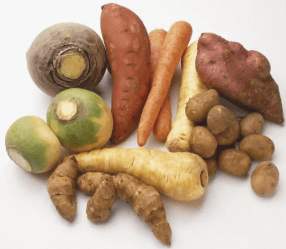
Overview:
What are root vegetables?
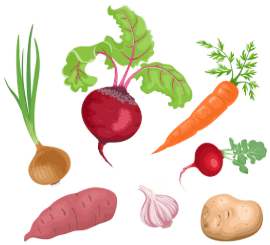 Root vegetables are the edible underground parts of plants, usually including true roots, tubers, and other underground plant structures that grow underground and are used in cooking.
The term “root vegetables” indicates that they are all roots; it refers to a broad group of underground plant parts, including true roots and other storage structures such as tubers, tubers, and rhizomes.
Root vegetables develop underground while their leafy greens grow above the soil. They come in a wide range of shapes, sizes, textures, and flavors, making them a fantastic way to add variety and nutrition to your meals.
From the natural sweetness of carrots to the deep, earthy flavor of beets—and even some root-based members of the nightshade family like potatoes—each root vegetable offers a unique blend of taste, texture, and health benefits. Rich in fiber, vitamins, and antioxidants, these underground gems support everything from digestive health to immune function.
Carrots are packed with beta-carotene, which supports vision and skin health, while beets are known for their ability to boost circulation and lower blood pressure.
Potatoes, though sometimes overlooked nutritionally, are a great source of potassium and vitamin C. Whether roasted, mashed, juiced, or spiralized, root vegetables are a versatile and nourishing addition to any diet.
Types of root vegetables
According to the botanical types of root vegetables:
True Roots
These grow directly from the base of the plant and absorb water and nutrients from the soil.
Examples:
Taproots: Carrots, beets, radishes, parsnips
Fibrous roots: Sweet potatoes (though these are also sometimes called storage roots)
Tubers
These are swollen underground stems that store nutrients.
Examples: Potatoes, yams
Bulbs
These are short stems with fleshy leaves or leaf bases used to store food.
Examples: Onions, garlic, shallots
Corms
Short, vertical, swollen underground stems that store nutrients.
Examples: Taro, celery root (celeriac)
Rhizomes
Horizontal underground stems that can produce new shoots and roots.
Examples: Ginger, turmeric
Root vegetables list
List of root vegetables from A to Z:
1. Carrots
Flavor: Sweet and earthy
Texture: Crisp when raw, tender when cooked
Uses: Eaten raw, roasted, steamed, juiced, or in soups/stews
Nutrition: High in beta-carotene (vitamin A), fiber, and antioxidants
2. Beets (Beetroots)
Flavor: Sweet and earthy
Texture: Firm; softens when cooked
Uses: Roasted, boiled, pickled, juiced, or used in salads and soups (e.g. borscht)
Nutrition: Rich in folate, iron, fiber, and natural nitrates (may support heart health)
3. Turnips
Flavor: Slightly bitter and peppery raw; sweet when cooked
Texture: Crisp raw, smooth when mashed
Uses: Roasted, boiled, mashed, or raw in slaws; greens are also edible
Nutrition: Good source of vitamin C and fiber
4. Sweet Potatoes
Flavor: Naturally sweet with a nutty undertone
Texture: Soft and creamy when cooked
Uses: Baked, mashed, roasted, in pies or fries
Nutrition: Rich in beta-carotene, vitamin C, potassium, and fiber
5. Parsnips
Flavor: Sweet, nutty, and slightly spicy
Texture: Firm raw, softens like carrots when cooked
Uses: Roasted, mashed, in soups and purees
Nutrition: High in fiber, vitamin C, folate, and potassium
6. Potatoes
Flavor: Mild and starchy
Texture: Varies by type (waxy or starchy); fluffy or creamy when cooked
Uses: Fried, mashed, baked, roasted, boiled, stewed
Nutrition: Good source of vitamin C, potassium, and energy (carbohydrates)
7. Radishes
Flavor: Peppery and crisp
Texture: Crunchy raw, soft when cooked
Uses: Eaten raw in salads, pickled, or roasted
Nutrition: Low-calorie, with vitamin C and antioxidants
8. Onions
Flavor: Pungent raw, sweet when cooked
Texture: Crunchy raw, soft when sautéed or roasted
Uses: Base for soups, sauces, stir-fries; caramelized or raw
Nutrition: Contains antioxidants like quercetin and vitamin C
9. Garlic
Flavor: Strong, pungent raw; mellow and sweet when roasted
Texture: Firm cloves; paste-like when minced or mashed
Uses: Widely used in seasoning, sauces, marinades, and dressings
Nutrition: Contains allicin (may support immune health), manganese, B6
10. Ginger
Flavor: Spicy, warm, and aromatic
Texture: Fibrous and juicy
Uses: Used in teas, stir-fries, baked goods, and curries
Nutrition: Anti-inflammatory, helps with nausea, aids digestion
11. Rutabaga (Swede)
Flavor: Mildly sweet and slightly bitter
Texture: Dense and starchy
Uses: Mashed, roasted, or added to soups and stews
Nutrition: High in vitamin C, fiber, and potassium
12. Celeriac (Celery Root)
Flavor: Earthy with a hint of celery
Texture: Crisp raw; smooth when cooked
Uses: Great in soups, mashed, roasted, or raw in slaws
Nutrition: Low in calories, high in fiber, vitamin K, and phosphorus
13. Jerusalem Artichokes (Sunchokes)
Flavor: Nutty and slightly sweet
Texture: Crunchy raw; creamy when roasted
Uses: Roasted, mashed, or in soups; can be eaten raw
Nutrition: High in inulin (a prebiotic fiber), iron, potassium
14. Daikon Radish
Flavor: Mild, slightly sweet and peppery
Texture: Juicy and crisp
Uses: Pickled, grated, stir-fried, or in soups (popular in Asian cuisine)
Nutrition: Low-calorie, high in vitamin C and digestive enzymes
15. Jicama
Flavor: Sweet, nutty, and refreshing
Texture: Crisp and juicy, like an apple or water chestnut
Uses: Raw in salads, slaws, or with chili-lime seasoning; also cooked
Nutrition: High in fiber (especially inulin), vitamin C, and water content
Why avoid root vegetables?
Although root vegetables are generally healthy and nutritious, there are some situations where people may avoid or limit their intake.
Let’s discuss a detailed explanation of why some people may avoid or limit their intake of root vegetables.
1. High in Carbohydrates and Starches
Explanation:
Root vegetables like potatoes, sweet potatoes, yams, and carrots are naturally rich in starch and sugars. When eaten, these carbs break down into glucose, which raises blood sugar levels.
Who does it affect?
People with diabetes, insulin resistance, or those following low-carb/keto diets may want to limit intake to better manage blood sugar and insulin levels.
Example:
A medium potato can have around 37 grams of carbs, which is significant.
2. Digestive Issues
Explanation:
Root vegetables often contain fiber and certain complex carbohydrates that some people find hard to digest. This can lead to gas, bloating, or stomach cramps.
Who does it affect?
People with irritable bowel syndrome (IBS) or other digestive sensitivities may experience discomfort. Some roots also contain FODMAPs (fermentable oligosaccharides, disaccharides, monosaccharides, and polyols), which can trigger symptoms in sensitive individuals.
Example:
Carrots and beets contain certain fibers that might ferment in the gut.
3. Allergies or Sensitivities
Explanation:
Although uncommon, some people are allergic to certain root vegetables. Symptoms can include itching, swelling, or digestive upset.
Who does it affect?
Anyone with a history of food allergies or sensitivities should be cautious.
Example:
Allergy to celery root (celeriac) is documented in some individuals.
4. Pesticide Residues and Soil Contaminants
Explanation:
Because root vegetables grow underground, they can absorb pesticides, heavy metals (like lead or cadmium), or other soil contaminants if grown in polluted or poorly managed soils.
Who does it affect?
People concerned about chemical exposure or those with compromised immune systems may want to choose organic or well-sourced root veggies.
Tip:
Washing, peeling, and cooking root vegetables can reduce contaminants.
5. Goitrogens and Thyroid Function
Explanation:
Some root vegetables (like cassava and sometimes sweet potatoes) contain goitrogens—natural substances that can interfere with iodine uptake by the thyroid gland, potentially affecting thyroid hormone production if consumed in very high amounts or raw.
Who does it affect?
People with hypothyroidism or thyroid disorders should be cautious.
Tip:
Proper cooking usually deactivates goitrogens, making these vegetables safe in moderation.
6. Oxalates and Kidney Stones
Explanation:
Some root vegetables, especially beetroot, contain oxalates, compounds that can contribute to the formation of kidney stones in susceptible individuals.
Who does it affect?
People with a history of calcium oxalate kidney stones or prone to kidney issues.
Tip:
Moderation and drinking plenty of water can help reduce the risk.
Unusual root vegetables
List of unusual or lesser-known root vegetables from around the world that you might not see every day, but are unique in flavor, appearance, or usage.
List of Unusual Root Vegetables :
1. Oca (Oxalis tuberosa)
Origin: Andes (South America)
Taste: Slightly tangy, like a mix between potato and lemon
Fun fact: Comes in vibrant colors—pink, yellow, red
2. Yacon (Smallanthus sonchifolius)
Origin: Peru and Bolivia
Taste: Juicy, sweet, pear-like; eaten raw
Benefit: High in prebiotics (FOS – fructooligosaccharides)
3. Tigernut (Cyperus esculentus)
Origin: Africa, Mediterranean
Taste: Sweet, nutty, chewy
Used for: Making horchata de chufa in Spain
4. Ulluco (Ullucus tuberosus)
Origin: Andes
Taste: Waxy, slightly earthy and beet-like
Note: Retains bright colors when cooked
5. Lotus Root (Nelumbo nucifera)
Origin: Asia
Taste: Mild, crisp texture (like water chestnut)
Appearance: Beautiful lacy pattern when sliced
6. Malanga (Xanthosoma spp.)
Origin: Central and South America
Taste: Nutty, earthy; similar to taro but less slimy
Used in: Caribbean and African cooking
7. Maca Root (Lepidium meyenii)
Origin: Andes (Peru)
Taste: Earthy, malty, slightly sweet
Used for: Powdered as a supplement, an adaptogen
8. Chinese Artichoke (Stachys affinis)
Origin: China, Japan
Taste: Nutty, crunchy (can be eaten raw)
Looks like: Small, knobby caterpillars
9. Jicama (Pachyrhizus erosus)
Origin: Mexico
Taste: Juicy, crisp, sweet (like a savory apple)
Used in: Salads, fresh snacks
10. Crosnes (pronounced “crones”)
Origin: France/Asia
Taste: Nutty, crunchy
Tip: A Rare but gourmet ingredient in fine dining