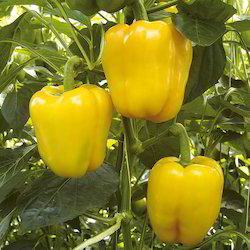
Growing peppers
Overview:
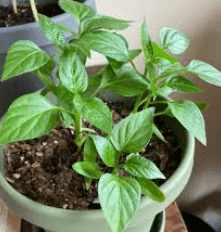 Pepper plants are members of the nightshade family (Solanaceae) and are grown for their edible fruit. They are very popular in gardens due to their wide variety of varieties, colors, flavors, and uses. They are used as ornamental plants and as culinary spices or vegetables. They come in a variety of forms, producing everything from sweet bell peppers to fiery hot varieties.
Types of pepper plants
There are many types of peppers, each with a different flavor. Different types of peppers have different heat levels and uses. Below is a list of some of our favorite savory chili peppers:
-
Sweet Peppers (Capsicum annuum)
- Bell Peppers: Mild and sweet, available in various colors like red, green, yellow, and orange.
- Banana Peppers: Mildly tangy with a yellow to pale green color.
- Padrón Peppers: Small, typically green, and sweet with occasional spicy ones.
- Cubanelle Peppers: Sweet and mild, often used in cooking or frying.
-
Hot Peppers (Capsicum annuum and other species)
- Jalapeño: Medium heat, often used fresh or pickled in various dishes.
- Serrano: Slightly hotter than jalapeños, commonly used in salsas and sauces.
- Cayenne: Long, thin peppers known for their hot, pungent flavor, often dried and ground into powder.
- Chili Peppers: Generic term, can refer to various small hot peppers like Thai bird’s eye chili, often used in Asian cuisines.
- Habanero Peppers (Capsicum chinense)
- Known for their intense heat and fruity flavor, habaneros come in various colors, including orange, red, and chocolate.
- Caribbean Peppers (Capsicum chinense)
- Scotch Bonnet: Similar to habaneros but typically used in Caribbean cuisine, known for its intense heat and fruity, slightly sweet flavor.
- Jamaican Hot Pepper: Very hot and often used in Jamaican dishes and jerk seasoning.
- Superhot Peppers
- Ghost Pepper (Bhut Jolokia): Once the hottest pepper in the world, with extreme heat and a smoky flavor.
- Carolina Reaper: Currently holds the record for the hottest pepper in the world.
- Trinidad Scorpion: Known for its intense heat, often used in hot sauces and extreme cooking.
- Anaheim and New Mexico Peppers (Capsicum annuum)
- Anaheim: Mild heat, often used in Southwestern cuisine.
- Hatch Chili: A type of New Mexico pepper, famous for its smoky flavor, commonly roasted and used in dishes like salsas and stews.
- Peperoncini (Capsicum annuum)
- Mild, tangy peppers often used in Italian cuisine, pickled and eaten as an appetizer or garnish.
- Thai Peppers (Capsicum annuum)
- Small, thin peppers with a high level of heat, commonly used in Southeast Asian dishes.
- Paprika Peppers
- Hungarian Paprika: Mild to hot, often dried and ground to make paprika, used in many European dishes.
- Spanish Paprika: Smoked variety used to flavor dishes in Spanish cuisine.
- Chili Peppers (Capsicum annuum and others)
- Chipotle: A smoked, dried jalapeño pepper with a rich, smoky flavor and moderate heat. Often used in Mexican cuisine.
- Pasilla: Dark, mild chili pepper with a slightly sweet, smoky flavor. Often used in mole sauces and salsas.
- Paprika Peppers (Capsicum annuum)
- Spanish Paprika: Also known as Pimentón, this pepper is often smoked and used in Spanish cooking, such as in chorizo sausage and paella.
- Hungarian Paprika: Sweet, hot, or smoked varieties of this pepper are used to make the famous paprika spice in Hungarian dishes like goulash.
- Italian Peppers
- Fresno Chili: Similar to a jalapeño but with a fruitier flavor and a medium heat. Often used in salsas, sauces, or pickled.
- Calabrian Chili: Spicy, tangy, and sometimes pickled, often used in Italian and Mediterranean cuisine.
- Peperoncino: A small, hot chili pepper used to add spice to Italian dishes, often dried and crushed into flakes.
- Middle Eastern and North African Peppers
- Aleppo Pepper: A medium-heat chili pepper with a fruity, tangy flavor. Commonly used in Middle Eastern and Mediterranean cuisines, often as a spice or in sauces.
- Urfa Biber: A Turkish pepper with mild heat and a sweet, smoky flavor, often used in Turkish dishes like kebabs and stews.
- Indian Peppers
- Kashmiri Chili: Known for its deep red color and mild heat, often used in Indian cooking for its color and subtle spice.
- Bhut Jolokia (Ghost Pepper): As mentioned, one of the hottest peppers in the world, widely used in Indian cuisine for extreme heat in chutneys and curries.
- Indian Long Red Chili: A dried variety used for its heat and flavor in Indian curries and chutneys.
- Mexican Peppers
- Mulato: A mild, dried chili pepper with a sweet, smoky flavor, used in mole and other Mexican sauces.
- Ancho: The dried form of the poblano pepper, used in Mexican mole, sauces, and as a seasoning for stews.
- Poblano: Mild heat, commonly used in Mexican dishes like chile rellenos and roasted in salsas.
- South American Peppers
- Aji Amarillo: A popular pepper in Peru, with a bright yellow color and medium heat. It’s used in ceviches, sauces, and stews.
- Aji Rocoto: Known for its distinct red color and intense heat, this pepper is used in Peruvian and South American dishes.
- Malagueta Pepper: A Brazilian pepper known for its fiery heat and often used in Brazilian and Portuguese dishes.
- African Peppers
- Peri-Peri (Piri-Piri): A small but intensely hot pepper used widely in African and Portuguese cuisines. It’s often used in spicy sauces and marinades.
- Bird’s Eye Chili: Small, fiery hot peppers used across African cuisine and commonly found in East and Southeast Asia.
- Other Notable Varieties
- Cherry Bomb: A small, round pepper with a sweet flavor and medium heat, often used in pickling and for making hot sauces.
- Shishito Pepper: A mild Japanese pepper, often blistered in a hot pan and served as a snack or appetizer.
- Mild Banana Peppers: Mildly tangy and often pickled or used in salads, sandwiches, or pizzas.
- Hungarian Hot Wax: A bright yellow pepper that is moderately hot, often used in pickles and salsas.
- Wild and Specialty Peppers
- Pequin: A small, wild pepper known for its heat and tangy flavor, often found in salsas or as a seasoning.
- Chiltepin: Often referred to as the “mother of all peppers,” it’s a small, wild pepper found in parts of the southwestern U.S. and Mexico. It’s super hot and used for its unique flavor in traditional dishes.
- Pepper Varieties for Specialty Use
- Paprika Peppers: These peppers are not just for paprika powder. In varieties like the “Hungarian Hot Wax,” they’re also enjoyed fresh or dried.
- Mirasol: A chili pepper that turns into the Guajillo pepper when dried. It’s used in Mexican cuisine for making sauces and salsas.
Bell pepper plants
Bell peppers (Capsicum annuum) are one of the most popular varieties of sweet peppers and are a great addition to the garden. They offer a mild, sweet, and savory flavor.
Peppers come in a variety of colors, including green, red, yellow, and orange. They are commonly used in salads, stir-fries, and more.
Here is a step-by-step guide to growing and caring for bell peppers:
-
Planting Bell Peppers
- Planting Time: Bell peppers are warm-season plants. Start seeds indoors about 8-10 weeks before the last frost date in your area, or buy young plants from a nursery.
- Soil Requirements: Bell peppers prefer well-draining, fertile soil with a pH between 6.0 and 7.0. It’s important to amend the soil with compost or organic matter to improve its fertility.
- Sunlight: Peppers need full sunlight, meaning at least 6-8 hours of direct sunlight per day, to thrive and produce good fruit.
-
Spacing and Transplanting
- Spacing: Space bell pepper plants 12-18 inches apart. This gives them enough room to grow while allowing air to circulate around the plants, reducing the risk of disease.
- Transplanting: Once the outdoor temperatures consistently stay above 55°F (13°C) at night, and the seedlings have grown strong enough (about 6-8 inches tall), transplant them into the garden or larger pots.
-
Watering and Maintenance
- Watering: Bell peppers need consistent moisture, especially during fruit development. Water the plants deeply but infrequently to encourage strong root growth. Avoid overhead watering, as this can promote disease; water at the base of the plant instead.
- Mulching: Mulch around the base of the plants to retain moisture, suppress weeds, and maintain a stable root temperature.
-
Fertilization
- Balanced Fertilizer: Bell peppers benefit from a balanced fertilizer that includes nitrogen, phosphorus, and potassium. Fertilize the plants every 4-6 weeks with a slow-release or water-soluble fertilizer.
- Over-fertilization: Be careful not to over-fertilize, especially with nitrogen, as this can lead to excessive leaf growth at the expense of fruit production.
-
Temperature Requirements
- Ideal Temperature: Bell peppers prefer warm temperatures, ideally between 70-85°F (21-29°C) during the day. They do not tolerate frost, so make sure the threat of frost has passed before planting them outdoors.
- Cold Sensitivity: Bell peppers are sensitive to cold temperatures. If temperatures dip below 50°F (10°C), the plants may become stunted or fail to produce fruit.
-
Pollination
- Self-Pollinating: Bell pepper plants are self-pollinating, meaning they do not require another plant for pollination. However, pollinators like bees can help improve fruit set, so encouraging them in the garden can be beneficial.
- Hand Pollination: In areas with few pollinators, you can gently shake the plants or use a small brush to transfer pollen between flowers to improve pollination.
-
Growing Challenges
- Pests: Bell peppers can be affected by pests such as aphids, spider mites, and aphid-transmitted viruses. Use organic pest control methods like neem oil or insecticidal soap to manage pests.
- Diseases: Peppers can be prone to fungal diseases like blight, powdery mildew, or bacterial spot. Avoid overhead watering, practice crop rotation, and remove any diseased foliage to minimize disease risk.
-
Harvesting Bell Peppers
- Timing: Bell peppers can be harvested when they reach their full size. If you are growing green bell peppers, you can harvest them while they are still green. If you want them to ripen to red, yellow, or orange, let them stay on the plant longer. Bell peppers typically take 60-90 days to mature, depending on the variety.
- Harvesting Technique: Use a sharp knife or pruning shears to cut the peppers from the plant. Be careful not to damage the plant or the fruit when harvesting.
-
Common Varieties of Bell Peppers
- Green Bell Pepper: These are harvested before they fully ripen and have a mild, slightly grassy flavor.
- Red, Yellow, and Orange Bell Peppers: These peppers are allowed to ripen fully on the plant, developing a sweeter, more robust flavor as they change color.
Hot pepper plants
Hot pepper plants (Capsicum species) are known for their spicy, delicious fruit. Hot peppers are widely used for culinary purposes, in the production of hot sauces, salsas, and condiments.
Here is a guide to growing and caring for hot pepper plants:
-
Types of Hot Peppers
Hot pepper varieties vary in heat, flavor, and appearance. Some common types include:
- Jalapeño: Mild to medium heat, often used fresh or pickled.
- Habanero: Very hot with fruity undertones, commonly used in sauces and salsas.
- Cayenne: Long, thin peppers with moderate heat, often dried and ground into powder.
- Ghost Pepper (Bhut Jolokia): Extremely hot with fruity flavor, often used in sauces.
- Carolina Reaper: One of the hottest peppers, often used for extreme hot sauce.
-
Planting Hot Peppers
- Planting Time: Start seeds indoors 8-10 weeks before the last frost in your area. Hot peppers need a long growing season, so starting early helps ensure they mature before the weather cools.
- Soil Requirements: Hot peppers thrive in well-draining, fertile soil with a pH between 6.0 and 7.0. Enrich the soil with organic matter like compost to improve fertility.
- Sunlight: Hot pepper plants need at least 6-8 hours of full sun per day to grow strong and produce fruit.
-
Spacing and Transplanting
- Spacing: Hot peppers should be spaced 12-18 inches apart. Proper spacing allows air to circulate around the plants and reduces the risk of disease.
- Transplanting: Once the outdoor temperatures consistently stay above 55°F (13°C) at night, transplant your seedlings or young plants into the garden or large containers.
-
Watering and Maintenance
- Watering: Hot peppers need consistent moisture, especially when the plants are flowering and fruiting. Water deeply and infrequently to encourage deep root growth. Avoid overwatering, as this can lead to root rot and other issues.
- Mulching: Apply mulch around the base of the plants to conserve moisture, suppress weeds, and regulate soil temperature.
-
Temperature Requirements
- Warm Temperatures: Hot pepper plants are sensitive to cold and grow best when daytime temperatures are between 70-85°F (21-29°C). Nighttime temperatures should not dip below 55°F (13°C).
- Cold Sensitivity: Hot peppers are frost-sensitive. If frost is expected, cover plants or bring potted plants indoors.
-
Fertilization
- Balanced Fertilizer: Use a balanced fertilizer (such as a 10-10-10 formula) to promote healthy growth. Fertilize every 4-6 weeks, but be careful not to over-fertilize with nitrogen, as it can encourage excessive foliage growth at the expense of fruit production.
- Avoid Overfeeding: Too much nitrogen can also reduce the heat intensity of the peppers, so opt for a fertilizer with more balanced proportions of nitrogen, phosphorus, and potassium.
-
Pollination
- Self-Pollinating: Most hot pepper varieties are self-pollinating, meaning they don’t need other plants to produce fruit. However, having pollinators like bees can help improve fruit production.
- Hand Pollination: If you have limited pollinators in your area, gently shake the plant or use a small brush to transfer pollen between flowers.
-
Growing Challenges
- Pests: Hot pepper plants can be affected by aphids, spider mites, and flea beetles. You can control pests organically by using neem oil, insecticidal soap, or introducing beneficial insects like ladybugs.
- Diseases: Hot peppers are susceptible to fungal diseases like blight, powdery mildew, and bacterial wilt. Practice crop rotation, remove affected plant parts, and avoid overhead watering to reduce the risk of disease.
-
Harvesting Hot Peppers
- Maturity: Hot peppers can take anywhere from 70 to 150 days to mature, depending on the variety. The fruit is typically ready to harvest when it reaches its full size and color.
- When to Harvest: Peppers can be picked when they are still green for a milder flavor or left to ripen to their full color (red, yellow, orange, or purple, depending on the variety) for a hotter, more intense flavor.
- Harvesting Technique: Use scissors or pruning shears to cut the peppers from the plant, being careful not to damage the plant or the fruit.
-
Heat and Handling
- Handling Hot Peppers: Be cautious when handling hot peppers. Wear gloves when picking, cutting, or handling them, as the oils can cause skin irritation. After handling peppers, wash your hands thoroughly, and avoid touching your face, especially your eyes, as the oils can cause burning or discomfort.
- Dealing with Overripe Peppers: If you have an abundance of ripe peppers, consider drying them, making hot sauce, or freezing them for later use.
-
Common Hot Pepper Varieties
- Jalapeño: Medium heat, commonly used fresh or pickled.
- Habanero: Hot with a fruity flavor, commonly used in salsas and sauces.
- Cayenne: Hot and thin, often used dried and ground.
- Ghost Pepper: Extremely hot, used in sauces and spice blends.
- Carolina Reaper: One of the hottest peppers in the world, often used in extreme hot sauces.