Tobacco plant
Overview:
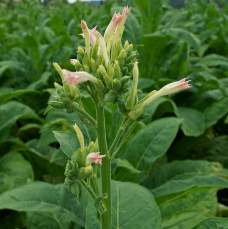 Tobacco scientific name and family : Nicotiana tabacum. and Solanaceae family.
The tobacco plant is commonly known as the nightshade family, which also includes other plants such as tomatoes, potatoes, and eggplants etc.
Tobacco is a plant native to the Americas, which is the most widely cultivated species of tobacco used commercially to produce tobacco products.
It is commonly grown for its leaves, which are processed and used in a variety of products, such as cigarettes, cigars, pipe tobacco, and smokeless tobacco (such as chewing tobacco and snuff).
The main active ingredient in tobacco is nicotine, an addictive chemical that stimulates the brain and creates dependence in many users.
Tobacco has been used for centuries, primarily by Native Americans for ceremonial, medicinal, and recreational purposes.
When Europeans encountered tobacco in the 16th century, it became widely popular in Europe and eventually around the world.
However, the health risks associated with tobacco use became widely recognized in the 20th century, as evidenced by its association with lung cancer, heart disease, and other serious health conditions. Today, its addictive properties and smoking remain a leading cause of preventable death worldwide.
Tobacco plant benefits
What are the uses of the tobacco plant?
What is tobacco plant used for?
The tobacco plant is primarily cultivated for its leaves, which are processed and used for a variety of purposes. However, tobacco has many other uses besides its role in smoking.
A summary of the main uses of the tobacco plant is discussed below:
-
Cigarettes, Cigars, and Smoking Products
Primary Uses: The most well-known use of tobacco is in the production of cigarettes, cigars, pipe tobacco, and hookah (water pipe). Tobacco leaves are harvested, cured, and processed to produce smoking products.
- Cigarettes: Sliced tobacco leaves wrapped in paper, making the most common smoking product.
- Cigars: Large rolls of tobacco leaves wrapped in tobacco or other plant material.
- Pipe Tobacco: Flavored or unflavored tobacco often used for smoking in pipes or in various blends.
-
Smokeless tobacco
- Chewing tobacco: Tobacco leaves are often shredded or crushed and can be chewed or placed in the cheek to release nicotine.
- Snuff: Tobacco that is finely ground and sniffed or held under the lips. It can be dry (dry snuff) or moist (moist snuff).
- Dipping tobacco: A type of moist tobacco that is held under the lower lip, often used without swallowing.
3. Nicotine extraction
- Nicotine products: Nicotine, the primary active compound in tobacco, is extracted and used in various nicotine replacement therapies (NRT) to help people quit smoking. These products include nicotine patches, nicotine gum, nicotine lozenges, and nicotine nasal spray.
- Pesticides: Nicotine extracted from tobacco can also be used as a natural pesticide. It is toxic to pests and is used in some organic farming systems.
4. Tobacco for medicinal and medical uses
Historically, tobacco has been used in traditional medicine for a variety of purposes, although its medicinal use is now largely discouraged due to the well-known harmful effects of smoking:
- Nicotine is a compound found in tobacco that has been studied in medical research for its potential therapeutic properties. Some studies have shown that nicotine may be beneficial in the treatment of neurological disorders such as Parkinson’s disease and Alzheimer’s disease.
- Traditional remedies: In some indigenous cultures, tobacco was used for pain relief, to treat insect bites, and in some cases for digestive problems. However, modern medicine generally does not recommend these practices due to the toxic nature of nicotine.
5. Tobacco as a Cultural and Ritual Item
- Spiritual Uses: Tobacco has cultural significance in many indigenous cultures throughout the Americas. It is often used as an offering in rituals, ceremonies, and spiritual practices. In this context, it is believed to have the power to connect individuals to the spiritual world or to express prayer and gratitude.
- Sacred Symbol: In some traditions, tobacco is considered a sacred plant and is smoked or offered as part of healing ceremonies or to honor gods and ancestors.
6. Agricultural and Environmental Uses
- Natural Pest Repellent: Tobacco has natural insecticidal properties due to its nicotine content. Farmers sometimes use tobacco-based pesticides to control pests on their crops, although caution should be exercised due to nicotine’s toxicity to humans and animals.
- Soil fertility: Tobacco is sometimes used in crop rotation systems in agriculture, although its long-term impact on soil fertility is a concern due to the demands of its cultivation.
7. Tobacco for industrial uses
- Tobacco in paper and other products: There has been some research into the use of tobacco for non-smokeable products such as tobacco-based paper, but these uses are relatively few for the plant’s main agricultural purposes.
- Biotechnology: Some modern research has focused on the use of tobacco plants for biotechnological applications. For example, tobacco is used in the production of biopharmaceuticals through genetic modification, where tobacco plants are engineered to produce drugs such as vaccines or therapeutic proteins. This is known as plant-based biotechnology.
8. Tobacco in cosmetics and personal care
Tobacco extracts and nicotine have occasionally been used in some cosmetic products or personal care items for their astringent or anti-inflammatory properties. However, this type of use is not widely used due to the negative reputation of nicotine.
9. Economic Benefits
Tobacco cultivation has historically been a source of income for farmers and has made an important contribution to the economies of many countries. Despite the health risks associated with its use, tobacco remains a highly profitable agricultural product in many parts of the world.
Tobacco plant anatomy
The anatomy of the tobacco plant consists of various parts, each playing an essential role in the plant’s growth and reproduction.
Anatomical features of the tobacco plant:
-
Roots
- Function: The roots anchor the tobacco plant in the soil and absorb water and nutrients.
- Structure: Tobacco plants typically have a fibrous root system, which helps in efficient water and nutrient uptake. The roots also store some carbohydrates and other nutrients necessary for growth.
-
Stem (Trunk or Stalk)
- Function: The stem supports the plant, transporting water, nutrients, and sugars between the roots and leaves.
- Structure: The stem of the tobacco plant is tall, erect, and often quite strong, capable of supporting large leaves. It is typically green when young and may become woody with age. The stem contains vascular tissue (xylem and phloem) that aids in transporting water and nutrients. The stem may have a hollow center and is covered with a waxy cuticle to prevent excessive water loss.
-
Leaves
- Function: Tobacco leaves are crucial for photosynthesis, as they capture sunlight and convert it into energy for the plant. The leaves are also the primary part of the plant used for tobacco products.
- Structure:
- Tobacco leaves are large, ovate to lanceolate in shape, and can range from 5 to 12 inches in length, depending on the variety.
- The leaves have a smooth or slightly wavy margin and are hairless on the surface, though some species may have slight hairs along the veins.
- Veins: The veins of the tobacco leaf are prominent and run parallel. The central vein (midrib) runs down the center of the leaf, with secondary veins branching out from it. The veins help transport water and nutrients to the leaf tissue.
- The surface of the leaves contains trichomes (small hair-like structures), which may secrete nicotine and other compounds.
-
Flowers
- Function: The flowers are the reproductive organs of the tobacco plant, where fertilization occurs, leading to seed production.
- Structure:
- Tobacco flowers are bell-shaped and generally come in clusters at the top of the plant.
- Each flower has five petals, typically pale white or pinkish in color.
- The flowers are hermaphroditic, meaning they contain both male (stamens) and female (pistil) reproductive parts, allowing the plant to self-pollinate, although cross-pollination can occur through insects or wind.
-
Fruit (Capsule)
- Function: After fertilization, the flowers develop into fruit, containing seeds for reproduction.
- Structure: The tobacco fruit is typically a small, dry capsule containing numerous tiny seeds. The seeds are light and can be dispersed by wind.
-
Seeds
- Function: Seeds are the reproductive units of the plant, capable of growing into new tobacco plants.
- Structure: Tobacco seeds are very small, about the size of a grain of sand, and are typically brown or black. Despite their tiny size, they contain all the genetic information needed for the next generation of plants.
-
Nicotiana’s Vascular System
- Xylem: Transports water and minerals from the roots to the leaves.
- Phloem: Transports sugars and other organic compounds from the leaves (where photosynthesis occurs) to the rest of the plant.
-
Nicotine Production
- Nicotine is primarily synthesized in the roots of the tobacco plant and accumulates in the leaves. It acts as a natural defense mechanism against herbivores and pests.
- The nicotine is stored in specialized cells and, when the leaves are harvested, it can be concentrated through drying, curing, and fermentation processes.
Tobacco plant bad
Why is tobacco plant bad?
The tobacco plant itself is not inherently “bad,” but the products derived from tobacco, particularly smoking and chewing tobacco, are harmful due to the addictive properties of nicotine and the toxic chemicals produced during the processing and burning of tobacco.
Here are the key reasons why tobacco is considered bad for health:
-
Nicotine Addiction
- Nicotine, the primary psychoactive compound in tobacco, is highly addictive. It stimulates the brain by releasing dopamine, creating feelings of pleasure and reinforcing the desire to keep using tobacco. Over time, people who use tobacco products can develop a dependence on nicotine, making it difficult to quit and leading to long-term use.
-
Toxic Chemicals in Tobacco Smoke
When tobacco is burned (such as in cigarettes, cigars, or pipes), it releases thousands of chemicals, many of which are toxic and harmful to the body:
- Carcinogens: Tobacco smoke contains carcinogens—substances that can cause cancer. These include substances like benzene, formaldehyde, and polycyclic aromatic hydrocarbons.
- Tar: Burning tobacco produces tar, a sticky substance that contains many harmful chemicals. Tar can accumulate in the lungs and lead to respiratory problems and lung cancer.
- Carbon Monoxide: This poisonous gas, found in cigarette smoke, can impair oxygen delivery to tissues, affecting the cardiovascular system and overall health.
- Heavy Metals: Tobacco smoke contains heavy metals such as arsenic, cadmium, and lead, which can accumulate in the body over time and cause organ damage.
-
Health Risks of Smoking
Smoking tobacco is directly linked to numerous serious health conditions:
- Cancer: Smoking is the leading cause of lung cancer and is responsible for 20% of all cancer deaths worldwide. It is also linked to cancers of the mouth, throat, esophagus, pancreas, kidney, bladder, and cervix.
- Respiratory Diseases: Smoking damages the lungs, leading to chronic conditions such as chronic obstructive pulmonary disease (COPD), emphysema, and chronic bronchitis. It also worsens conditions like asthma.
- Cardiovascular Diseases: Smoking significantly increases the risk of heart disease, stroke, and high blood pressure. It causes narrowing of blood vessels, which can lead to atherosclerosis (plaque buildup in arteries).
- Weakened Immune System: Smoking damages the immune system, making it harder for the body to fight infections and heal wounds.
-
Health Risks of Smokeless Tobacco
Even products like chewing tobacco, snuff, or dip are harmful:
- Cancer of the Mouth and Throat: Smokeless tobacco contains carcinogens and is strongly linked to cancers of the mouth, throat, cheeks, and gums.
- Gum Disease: Smokeless tobacco can cause gum recession, tooth loss, and bad breath. It also contributes to oral cancer due to prolonged contact with toxic substances.
- Nicotine Addiction: Like smoking, smokeless tobacco contains nicotine, leading to addiction and dependency.
-
Secondhand Smoke
- Secondhand smoke (or passive smoke) from burning tobacco affects non-smokers and can lead to serious health issues. Even brief exposure to secondhand smoke can increase the risk of lung cancer, heart disease, and respiratory problems in non-smokers.
- Children and pregnant women are particularly vulnerable. Secondhand smoke can lead to low birth weight, preterm births, and developmental problems in children. It also increases the risk of sudden infant death syndrome (SIDS).
-
Environmental Damage
- Tobacco farming contributes to deforestation in some regions, as forests are cleared to grow tobacco. This leads to the loss of biodiversity and contributes to soil degradation and water pollution from tobacco farming practices.
- The production of cigarette butts (which are often discarded improperly) has significant environmental consequences. Cigarette filters contain plastic, and they take years to decompose. Cigarette litter is one of the most common forms of waste found in public areas.
-
Social and Economic Costs
- Healthcare Costs: Smoking-related diseases place a tremendous burden on healthcare systems worldwide. Treating diseases caused by tobacco use (like cancer, heart disease, and respiratory conditions) is expensive for both individuals and governments.
- Lost Productivity: Smoking-related illnesses contribute to lost productivity in the workforce, as people take sick days or retire early due to health issues. The economic cost of tobacco use is significant in many countries.
-
Effects on Mental Health
- While nicotine can have a short-term mood-lifting effect, long-term tobacco use is linked to mental health issues. It may increase the risk of anxiety, depression, and stress, especially during attempts to quit. The addiction to nicotine itself can lead to mood swings and irritability.