Garden huckleberry Plant
Overview:
- Scientific Name: Solanum melanocerasum ;
- Common Name: Garden Huckleberry, False Huckleberry.
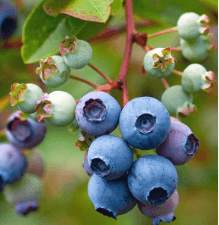 Garden huckleberries are a fruiting plant related to the nightshade family (Solanaceae), native to Central and South America. Although its name is “huckleberry”, it is not actually a huckleberry.
Appearance: The plant usually grows as a shrub, with dark green, somewhat glossy leaves and white or purple flowers. The fruits are green at first and turn dark purple to almost black when ripe. The berries are small, about 1-2 cm in diameter.
Toxicity: Unlike other berries, garden huckleberries contain a small amount of toxic solanine when raw. It is important to eat them only when fully ripe and to boil them to neutralize the toxins. However, the leaves are also poisonous.
Taste: Raw huckleberries can be bitter and not very tasty. However, when cooked, they develop a mild blueberry or tomato and blueberry-like flavor. When cooked and sweetened, they are a great addition to pies, jams, and other desserts.
Culinary Uses: Most commonly used as a filling for jams, jellies, pies or baked goods. They are also used in savory dishes, especially sauces. Once ripe and cooked, they impart a unique flavor and can be sweetened to taste.
Nutritional Information (per 100g, approximate values):
- Calories: 50-60 kcal
- Carbohydrates: 12–15g
- Fiber: 2–3g
- Protein: 1g
- Fat: Less than 1g
- Vitamin C: ~25–30% of the daily recommended value
- Antioxidants: High in anthocyanins, which give the fruit its dark color
Is garden huckleberry poisonous ?
If not prepared properly, garden huckleberries can be poisonous. This plant belongs to the nightshade family, like tomatoes and potatoes, and contains solanine—a toxin found in many members of this family.
- Raw berries: The primary risk is the raw berries, which contain high levels of solanine. Eating them raw while green or underripe can cause symptoms of food poisoning, such as nausea, vomiting, and diarrhea.
- Ripe berries: Once fully ripe (dark purple to black), the berries contain significantly less solanine and are safe to eat when cooked. Cooking them helps neutralize any remaining toxins, making them safe to eat. They are commonly used in jams, pies, and other cooked foods.
- Leaves and stems: The leaves and stems of the garden huckleberry plant are poisonous even when ripe, as they contain high concentrations of solanine and other alkaloids. They should never be eaten.
Overall, garden huckleberries are not toxic once ripe and properly cooked, but caution is required when handling them, especially with raw berries or other parts of the plant.
Garden huckleberry benefits
The garden huckleberry is not only a unique fruit with culinary potential, but it also offers several health benefits, especially when prepared and consumed properly.
Let’s take a look at some of the main benefits of this huckleberry:
-
Rich in Antioxidants:
Garden huckleberries, like other berries, contain a variety of antioxidants such as anthocyanins and flavonoids. These compounds help fight free radicals in the body, which can damage cells and contribute to chronic diseases such as cancer and heart disease. The darker the berry, the higher its antioxidant content, and garden huckleberries are known for their deep purple-black color, which signals the presence of these health-promoting compounds.
-
High in Vitamin C:
Garden huckleberries are a good source of vitamin C, an essential nutrient for immune function. Vitamin C also helps with collagen formation (important for skin and joint health), wound healing, and iron absorption. Eating garden huckleberries can contribute to a healthy immune system and better overall health.
-
Anti-Inflammatory Properties:
The compounds in garden huckleberries, especially anthocyanins, have been shown to have anti-inflammatory effects. Chronic inflammation is linked to various health issues, including arthritis, heart disease, and metabolic disorders. Regular consumption of antioxidant-rich foods like garden huckleberries may help reduce inflammation in the body.
-
Good Source of Fiber:
Huckleberries contain dietary fiber, which is beneficial for digestive health. Fiber helps regulate bowel movements, reduce constipation, and maintain a healthy gut. It also contributes to lower cholesterol levels and improved blood sugar control, reducing the risk of heart disease and type 2 diabetes.
-
Supports Eye Health:
The anthocyanins found in garden huckleberries, as well as their vitamin C content, can help promote eye health. Studies have shown that antioxidants may reduce the risk of age-related macular degeneration and improve vision, particularly in low-light conditions. Some of these compounds may also protect the eyes from damage caused by oxidative stress.
-
Supports Skin Health:
The vitamin C and antioxidants in garden huckleberries can have positive effects on skin health. Vitamin C is necessary for the production of collagen, a protein that helps maintain the skin’s elasticity and strength. By consuming garden huckleberries, you can help promote healthy, youthful skin.
-
Low in Calories:
Garden huckleberries are relatively low in calories and are a good option for those looking to maintain or lose weight. They are also rich in water content, which can help with hydration and provide a feeling of fullness when eaten as part of a balanced diet.
-
Blood Sugar Regulation:
Like many berries, garden huckleberries are low in sugar and have a low glycemic index. This makes them a good fruit choice for people managing blood sugar levels or those with conditions like diabetes. The fiber in huckleberries also helps slow the absorption of sugar into the bloodstream, preventing blood sugar spikes.
-
Potential Antimicrobial Effects:
Some studies suggest that compounds in garden huckleberries may possess antibacterial or antifungal properties. While more research is needed, these properties could potentially help prevent infections or boost overall immune function.
-
Culinary Uses to Maximize Benefits:
- Jam and Jelly: Cooking garden huckleberries in jams or jellies allows for a safe and delicious way to enjoy their health benefits.
- Pies and Desserts: When used in baked goods like pies, the cooking process neutralizes any remaining toxins, making it a tasty and healthy treat.
- Smoothies: Once properly prepared, garden huckleberries can be blended into smoothies for a nutritious snack.
Garden Huckleberry vs nightshade
The garden huckleberry and nightshade are several important distinctions and similarities between them:
-
Botanical Family:
- Garden Huckleberry: Solanum melanocerasum is a species within the Solanum genus, specifically in the Solanaceae family, which includes other plants like tomatoes, eggplants, and potatoes.
- Nightshade: The term “nightshade” is commonly used to refer to several plants in the Solanum genus, but it often refers to deadly nightshade (Atropa belladonna), bell peppers, potatoes, tomatoes, eggplants, and other plants. The family includes both edible and toxic species.
-
Toxicity:
- Garden Huckleberry: While garden huckleberries are in the nightshade family, they contain solanine, a toxic compound found in some members of the Solanaceae family. The berries are not toxic when fully ripe and properly cooked, but unripe berries, as well as the leaves and stems of the plant, are toxic and should never be consumed. This makes garden huckleberries potentially poisonous if not handled properly.
- Nightshade (in the context of Deadly Nightshade Atropa belladonna): This is a highly toxic plant with alkaloids like atropine, scopolamine, and hyoscyamine, which can cause severe poisoning and even death if consumed in large amounts. Deadly nightshade is not typically eaten and is known for its dangerous effects.
However, edible nightshades, like tomatoes, potatoes, eggplants, and peppers, are not toxic when eaten in moderate amounts. These plants, while part of the nightshade family, have very low levels of solanine (mostly in their unripe forms or green parts), and when cooked, solanine is largely neutralized.
-
Edibility:
- Garden Huckleberry: The ripe fruit of the garden huckleberry is edible and can be used in various culinary dishes, particularly when cooked. They are commonly made into jams, jellies, pies, and sauces, although they are not typically eaten raw due to their bitter taste and potential for mild toxicity when not fully ripe.
- Nightshade Plants:
- Edible Nightshades: Common edible nightshades like tomatoes, potatoes, eggplants, and peppers are consumed worldwide and are safe to eat when fully ripe and cooked.
- Deadly Nightshade (Atropa belladonna): This is a poisonous nightshade species, not typically eaten, though historically it was used in small doses for medicinal purposes (such as in eye drops or as a poison).
-
Health Benefits:
- Garden Huckleberry: When prepared and cooked properly, garden huckleberries have several health benefits, including being rich in antioxidants, fiber, and vitamin C. They are also anti-inflammatory and provide various micronutrients. However, as with any member of the nightshade family, proper preparation is key to avoiding the toxic effects.
- Edible Nightshades: Common edible nightshades, such as tomatoes, peppers, and eggplants, offer numerous health benefits, including being good sources of vitamin C, fiber, and antioxidants. These vegetables have anti-inflammatory properties and are widely consumed in both raw and cooked forms.
-
Growth Habits:
- Garden Huckleberry: It is typically grown as an annual in most temperate climates. It has a bushy appearance, grows to about 3-4 feet tall, and bears small, dark purple-to-black berries. Like tomatoes, it prefers full sunlight and well-drained soil.
- Nightshade (General): The nightshade family includes a wide variety of plants. Some grow as small shrubs or perennials (like the garden huckleberry), while others, like tomatoes and eggplants, are cultivated as annuals. Deadly nightshade is a perennial herb with bell-shaped purple flowers and dark berries, often found in wild or shaded areas.
-
Cooking and Usage:
- Garden Huckleberry: The berries are most often cooked (e.g., in pies, jams, jellies, or sauces) due to their bitter taste when raw. When fully ripe and cooked, they provide a mild, somewhat sweet flavor.
- Nightshade (Edible Varieties): Common edible nightshades, such as tomatoes and peppers, are staples in many cuisines and are often used raw (e.g., in salads or salsas), roasted, grilled, or fried. Potatoes are commonly baked, mashed, fried, or used in stews.
-
Nutritional Comparison:
- Garden Huckleberry: These berries are lower in sugar than some other fruits, making them a good option for those who need to manage their blood sugar levels. They are rich in fiber, vitamin C, and antioxidants.
- Edible Nightshades: For example:
- Tomatoes: High in vitamin C, potassium, and lycopene, a powerful antioxidant that has been linked to heart health and cancer prevention.
- Eggplants: High in fiber, low in calories, and contain nasunin, an antioxidant that protects cell membranes.
- Potatoes: Rich in carbohydrates, potassium, and vitamin C (especially when eaten with the skin).
- Peppers: High in vitamin C, beta-carotene, and antioxidants.
Summary of Key Differences:
| Feature | Garden Huckleberry | Nightshade (Edible Types) |
| Botanical Family | Solanaceae (related to tomatoes, potatoes, etc.) | Solanaceae (includes tomatoes, potatoes, peppers) |
| Toxicity | Toxic when unripe or raw; must be cooked | Safe when ripe and cooked (tomatoes, potatoes, etc.) |
| Common Uses | Jams, pies, sauces (cooked) | Raw or cooked (salads, stews, sauces, etc.) |
| Health Benefits | Antioxidants, fiber, vitamin C | Antioxidants, vitamin C, fiber |
| Safety Concerns | Must be fully ripe and cooked to be safe | Generally safe when ripe and cooked |
Garden huckleberry vs wild huckleberry
The terms “garden huckleberry” and “wild huckleberry” often refer to different plant species. Although both produce small, dark berries, they are sometimes confused due to their similar names. Here is a detailed description of their differences and similarities:
-
Botanical Classification:
- Garden Huckleberry (Solanum melanocerasum):
- Family: Solanaceae (nightshade family).
- Genus: Solanum.
- This plant is related to tomatoes, potatoes, and eggplants. It is commonly grown as an annual in gardens for its dark purple-black berries.
- Wild Huckleberry (various species, most notably Vaccinium spp.):
- Family: Ericaceae (heath family).
- Genus: Vaccinium.
- Wild huckleberries are a group of species that grow naturally in the wild, often in forest undergrowth or mountainous areas. The two most well-known types are blue huckleberries (Vaccinium membranaceum) and black huckleberries (Vaccinium ovatum).
-
Appearance of the Berries:
- Garden Huckleberry:
- The berries are small (1–2 cm), typically dark purple to black when fully ripe.
- Shape: They are round and resemble small tomatoes or blueberries.
- Taste: The raw berries are usually bitter and are typically not eaten raw. They need to be cooked to be palatable (often used in pies, jams, and jellies).
- Wild Huckleberry:
- Berries are typically smaller than garden huckleberries, often around 0.5–1 cm in diameter, and blue or dark purple when ripe (depending on the species).
- Taste: The berries are sweet-tart and are often eaten raw straight from the bush, although they can also be used in cooking (pies, jams, syrups).
- Wild huckleberries have a juicy, tart-sweet flavor that makes them popular in many culinary dishes.
-
Growing Conditions:
- Garden Huckleberry:
- Cultivation: It is cultivated in gardens, primarily in warmer climates. It requires full sunlight and well-drained soil.
- Height: Garden huckleberries are typically 3–4 feet tall and have a bush-like structure.
- It is a short-lived annual in many temperate climates and needs to be replanted each year.
- Wild Huckleberry:
- Habitat: Wild huckleberries grow naturally in forests, mountainous regions, and boggy or acidic soils. They are common in the Pacific Northwest, Rocky Mountains, and parts of the Appalachians.
- Height: Wild huckleberry shrubs are usually smaller, ranging from 1–3 feet tall.
- These plants are perennials and may live for several years, regenerating each spring.
-
Toxicity:
- Garden Huckleberry:
- Toxic when unripe: The unripe berries contain solanine, a toxin common in the nightshade family. Solanine levels are highest in the green fruit and the leaves and stems.
- Safe when ripe and cooked: When the berries turn dark purple or black and are cooked, they become safe to eat and lose most of their bitterness.
- Wild Huckleberry:
- Non-toxic: Wild huckleberries are completely safe to eat, both raw and cooked. They are rich in antioxidants and nutrients and are often considered a superfood.
- There are no known harmful compounds in wild huckleberries, making them a popular and safe fruit for foraging.
-
Taste and Culinary Use:
- Garden Huckleberry:
- Taste: Raw garden huckleberries are bitter and tart, which makes them generally unpleasant to eat raw.
- Culinary Use: They are often used cooked, such as in pies, jams, jellies, sauces, and preserves. The berries’ bitterness fades with cooking, and they take on a flavor that resembles a mix of blueberries and tomatoes.
- Wild Huckleberry:
- Taste: Wild huckleberries have a sweet-tart flavor that is often likened to a cross between blueberries and blackberries.
- Culinary Use: Wild huckleberries are commonly used in baked goods, preserves, syrups, and even eaten raw. They are prized for their flavor and are often foraged in the wild.
-
Nutritional Value:
- Garden Huckleberry:
- Rich in vitamin C, fiber, and antioxidants (though the berries must be ripe and cooked to be safely consumed).
- The antioxidants in garden huckleberries can help reduce inflammation and provide immune support.
- Wild Huckleberry:
- High in vitamin C, antioxidants (especially anthocyanins), and fiber.
- Known for their health benefits, wild huckleberries may improve cognitive function, eye health, and digestive health. They are also rich in flavonoids that help combat oxidative stress and inflammation.
-
Popularity and Availability:
- Garden Huckleberry:
- Not as commonly found in the wild; it is primarily cultivated in gardens, particularly in temperate regions.
- Often sold in specialty stores or farmer’s markets.
- Wild Huckleberry:
- Wild huckleberries are highly prized by foragers and are widely sought after, particularly in the Pacific Northwest and Rocky Mountain regions of North America.
- They are not commercially grown on a large scale, though they are sometimes sold as wildcrafted or foraged berries at farmers’ markets.
Summary of Key Differences:
| Feature | Garden Huckleberry | Wild Huckleberry |
| Botanical Family | Solanaceae (nightshade family) | Ericaceae (heath family) |
| Genus | Solanum | Vaccinium |
| Berry Color | Dark purple to black when ripe | Blue, purple, or black, depending on species |
| Taste | Bitter and tart when raw, sweet when cooked | Sweet-tart, mild and fruity, eaten raw |
| Toxicity | Toxic when unripe, safe when ripe and cooked | Safe to eat raw or cooked |
| Culinary Use | Used in pies, jams, and preserves (cooked) | Eaten raw, in pies, jams, syrups, and more |
| Nutritional Value | High in vitamin C, fiber, antioxidants | High in vitamin C, antioxidants, fiber |
| Growing Environment | Cultivated, annual plant in gardens | Wild, perennial shrub in forests |
| Commercial Availability | Grown in gardens, not widely available | Foraged from the wild, especially in the Northwest and Rockies |
Growing Conditions of Garden Huckleberries
The key growing conditions needed for successful cultivation:-
-
Climate:
- Warm Temperatures: Garden huckleberries prefer warm climates and need temperatures ranging from 70°F to 85°F (21°C to 29°C) for optimal growth. They are sensitive to frost, so make sure to plant them after the last frost in your region.
- Annual Planting: In most temperate regions, garden huckleberries are grown as annuals because they are not frost-hardy. In warmer climates, they may survive longer but are typically still grown for one season.
-
Sunlight:
- Full Sun: Garden huckleberries need full sun to grow well, meaning they should receive at least 6 to 8 hours of direct sunlight per day. Full sunlight encourages healthy growth and maximizes berry production.
-
Soil Requirements:
- Well-drained Soil: Like other nightshades, garden huckleberries need well-draining soil. Heavy, waterlogged soil can lead to root rot and other issues. It’s best to plant them in loamy soil with good drainage.
- Soil pH: The ideal pH range for garden huckleberries is slightly acidic to neutral, between 5.5 and 7.0.
- Soil Fertility: Enrich the soil with organic compost or well-rotted manure before planting to provide essential nutrients. Garden huckleberries are heavy feeders and benefit from fertile soil that is rich in organic matter.
-
Watering:
- Consistent Moisture: Garden huckleberries need regular watering to keep the soil consistently moist, especially during the growing season. However, be cautious not to overwater, as this can cause root rot. Water at the base of the plant to avoid wetting the foliage.
- Watering Frequency: Water deeply once or twice a week, depending on weather conditions. If you’re growing them in containers, ensure they don’t dry out between watering.
-
Planting:
- Starting Seeds: You can start garden huckleberries from seeds indoors about 6–8 weeks before the last frost. Transplant seedlings outside when the temperatures are warm and there’s no danger of frost.
- Direct Sowing: Alternatively, you can directly sow the seeds outdoors after the last frost date, but indoor-starting ensures earlier harvests.
- Spacing: Space garden huckleberries about 18–24 inches apart to allow for adequate air circulation. If you’re growing them in rows, leave at least 2–3 feet between rows.
-
Support and Pruning:
- Support: Garden huckleberries can benefit from being supported on a trellis or in a cage, similar to tomatoes. This helps keep the plant upright and encourages better airflow around the foliage.
- Pruning: Prune the plants by removing any dead or yellowing leaves to promote good air circulation. You may also remove some of the lower leaves or side shoots to encourage better fruit production and prevent disease.
-
Fertilization:
- Balanced Fertilizer: Use a balanced fertilizer (with equal parts of nitrogen, phosphorus, and potassium) at planting time. Afterward, feed them with a high-potassium fertilizer to promote fruit production, especially during the flowering and fruiting stages.
- Side-dressing: You can also side-dress with compost or an organic fertilizer during the growing season to give the plants an extra nutrient boost.
-
Harvesting:
- Harvest Time: Garden huckleberries usually start producing fruit about 80–90 days after transplanting. The berries are ready to harvest when they turn dark purple to black. They should feel firm and slightly soft when squeezed.
- Proper Timing: Be sure to harvest only fully ripe berries because unripe berries contain solanine, a toxic compound. Once the berries turn black and soften slightly, they are safe to eat after cooking.
-
Pests and Diseases:
- Common Pests: Garden huckleberries can be susceptible to typical nightshade pests, such as aphids, whiteflies, hornworms, and cutworms. Regular inspection and organic pest control measures (like neem oil or insecticidal soap) can help manage infestations.
- Diseases: Watch out for diseases common to nightshades, such as blight and powdery mildew. Ensure good air circulation and avoid overhead watering to reduce the risk of fungal diseases.
-
Overwintering (in colder climates):
- In most regions with cold winters, garden huckleberries are grown as annuals and will need to be replanted each year.
- However, in areas with milder winters, you might try overwintering them by bringing the plants inside or covering them with frost blankets to protect them from frost.
Summary of Growing Conditions for Garden Huckleberries:
| Condition | Requirement |
| Climate | Warm (70°F to 85°F / 21°C to 29°C), annual in temperate zones |
| Sunlight | Full sun (6–8 hours of direct sunlight) |
| Soil | Well-drained, slightly acidic to neutral pH (5.5–7.0) |
| Watering | Regular watering, keep soil consistently moist, but well-drained |
| Spacing | 18–24 inches between plants, 2–3 feet between rows |
| Pruning | Remove dead leaves, thin plants for better airflow |
| Fertilization | Balanced fertilizer at planting, high-potassium during fruiting |
| Harvest Time | 80–90 days after transplanting, harvest when berries turn dark purple or black |