Overview
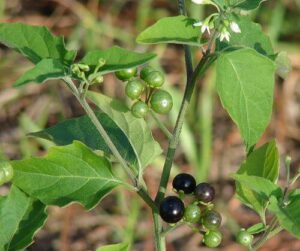
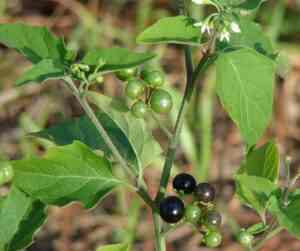
Black nightshade (Solanum nigrum) is a summer annual or short-lived perennial thorny plant. Its leaves are usually light green and it is a species in the genus Solanum. This plant is known as European black nightshade or blackberry nightshade.
Black nightshade is often easily confused with deadly nightshade (Atropa belladonna), which is much more toxic.
In some endemic areas, particularly in Africa and North America, its ripe berries and cooked leaves are used as food. In traditional medicine, the entire plant, including the leaves, fruit, and roots, is used to treat various ailments.
The berries are often eaten by birds, and the plant is also cultivated in agriculture.
Scientific and Natural Facts of Black Nightshade-
- Scientific Name: Solanum nigrum
- Family: Solanaceae
- Type: Summer annual or short-lived perennial plant
- Characteristics: Usually grows 30 to 120 centimeters tall, with spiny stems.
Physical Structure of the Plant
- Leaves: Light green, straight or oval, sometimes with slightly toothed edges.
- Flowers: Small, white or light purple, five-petaled.
- Fruit: Green and small at first, later turning black and becoming round. Ripe fruits are shiny black in appearance.
Is black nightshade poisonous?
Black nightshade can be poisonous because it contains a toxic alkaloid called solanine.
The green, unripe berries and other parts of the plant are the most toxic, causing nausea, stomach pain, headaches, and sometimes serious neurological problems if eaten.
However, the ripe, black berries on the plant are generally considered safe to eat. However, caution should be exercised when eating them, especially when the ripeness of the berries is uncertain.
One of the toxic chemicals present is an alkaloid called solanine.
This substance is found in various parts of the plant, especially:
The green (raw) berries
The leaves and stems (especially when raw)
These parts are the most toxic and can cause a variety of physical problems if eaten accidentally or in large quantities.
Symptoms of poisoning
If the poisonous part is eaten, the following symptoms may occur:
- Nausea
- Stomach pain and diarrhea
- Headache
- Dizziness or lightheadedness
- Sometimes the nervous system is affected, causing confusion, weakness, or mild shortness of breath
If such symptoms occur, seek immediate medical attention.
Are ripe blackberries safe?
The toxicity level varies depending on the part and condition of the plant. The ripe, shiny black berries of the plant are generally much less toxic and are eaten in small quantities in many countries. In many places, they are cooked or used as a dessert. However, it is important to maintain some precautions when eating these berries:
- Only eat fully ripe berries
- Do not eat in large quantities
If the berries are not clearly identifiable or appear to be incompletely ripe, they should not be eaten.
Black nightshade benefits
Black nightshade fruits can also be eaten effortlessly. The leaves and roots are used in various medicinal fields. The chemical extract is used to treat diarrhea, stomach complications, and fever.
The juice of this plant is used for ulcers and dermatitis. The fruit is used as a tonic to prevent constipation, aid appetite, and treat asthma, severe thirst, and so on. Boiled leaves and fruit extract are used to relieve liver disease, jaundice. Its root juice is used to treat asthma and whooping cough.
Side effects
Black nightshade is the most problematic of the nightshade species. Parts of this plant can be toxic to humans and cattle when eaten. However, the level of toxicity depends on many factors, including plant maturity and environmental conditions.
All parts of the plant, except ripe fruit, contain a toxic chemical called toxic glycoalkaloid solanine. Eating immature fruit can cause poisonous symptoms like solanine. When eaten in small doses, it can cause nausea, vomiting, headaches and other side effects.
At high doses, it can cause severe poisoning. Symptoms of poisoning include irregular heartbeat, shortness of breath, dizziness, drowsiness, twisting of arms and legs, diarrhea, paralysis and even death. It is not safe to take Black Nightshade during pregnancy and breastfeeding. This can cause birth defects in the baby.
Black Nightshade vs. Deadly Nightshade
Black nightshade does not actually refer to Atropa belladonna. Unfortunately, many people get confused between the two plants because the popular name for black nightshade is “deadly nightshade.” In fact, deadly nightshade or Atropa belladonna is a very poisonous and dangerous plant, which belongs to the nightshade family like potatoes, tomatoes, and peppers, but its toxicity is much higher.
Many people consider black nightshade to be poisonous and are scared by the name “nightshade”. But in fact, potatoes, tomatoes, peppers, and eggplant are also members of the nightshade family, and tomatoes were once considered poisonous in Europe. Today, tomatoes are widely eaten around the world.
Black nightshade can produce some toxic alkaloids, but these alkaloids are destroyed by cooking. Studies have shown that only the raw or unripe fruit contains toxic alkaloids, but not the ripe berries. Ripe black berries are eaten by people and birds around the world, and are sweet and delicious, and are used to make jam. In addition, in many countries, the leaves are cooked and eaten as a vegetable.
Comparison between black nightshade and deadly nightshade:
1. Flower type
Black nightshade: Small white flowers with yellow anthers, in clusters.
Deadly nightshade: Large, single, purple, trumpet-shaped flowers.
2. Berry shape and structure
Black nightshade: Small, round clusters of red to black berries, similar to small tomatoes.
Deadly nightshade: Single, large, shiny black berries, similar to cherries.
3. Calyx (base of fruit)
Black nightshade: Small and less prominent.
Deadly nightshade: Large, prominent with long lobes on the outside of the fruit.
4. Toxic substances
Black nightshade: Contains solanine, especially in raw leaves and berries are toxic. High doses can cause vomiting, nausea, and gastric problems.
Deadly nightshade: Contains powerful toxic alkaloids, including atropine, scopolamine. Even small doses can cause hallucinations, paralysis, and death.
5. Plant shape and leaves
Black nightshade: Upright, dense plant with oval, dark green leaves, sometimes with a purple tinge to the leaves.
Deadly nightshade: Large shrub, pale green and needle-like leaves.