Apple-of-Peru plant
Overview:
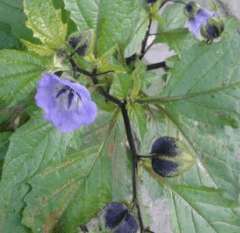 Apple of peru common name: The common name of Nicandra physalodes is Apple-of-Peru. It is sometimes referred to as Sherry Ball , Chinese Lantern.
Apple-of-Peru (Nicandra physalodes) is a flowering plant in the Solanaceae (nightshade) family, which also includes tomatoes, potatoes, eggplants, peppers, and tobacco.
It is native to South America, especially Argentina and Chile. It has become popular as an ornamental plant in gardens due to its attractive flowers and fruits.
Apple of peru flower
The Peruvian apple (Nicandra physalodes) produces an attractive flower, which adds to its ornamental value. The flowers are borne in clusters or racemes at the top of the plant, often blooming in late summer or fall.
Peruvian flower color:
The flowers are usually blue to purple, with a white or yellowish center. They often have a funnel or trumpet shape and can appear slightly pinkish in some lighting conditions.
Peruvian flower size and shape:
The individual flowers are relatively small (about 1-2 inches or 2.5-5 cm in diameter), with five petals forming a bell or funnel shape. The flowers often have thin, elongated petals that create a delicate, airy appearance.
Peruvian flower fragrance:
Peruvian apple has a light or mild fragrance, but they are not as strongly scented as the flowers of some other ornamental plants.
Why the Peruvian flower apple is popular:
The striking, vibrant colors of the flowers and the way they contrast with the papery, lantern-like husks of the fruit make the plant visually appealing in the garden.
The flowers attract bees and butterflies, which can be beneficial for gardeners to encourage pollination in their ecosystem.
Fruit:
Produces a round, greenish fruit that is enclosed in a papery husk that resembles a miniature lantern. The fruit looks somewhat like an apple, hence the name “Peruvian apple”. However, this fruit is inedible and poisonous.
Toxicity:
All parts of the plant, especially the fruit and seeds, are poisonous due to the presence of alkaloids such as solanine and tropane alkaloids. These compounds can cause symptoms such as nausea, vomiting, diarrhea, dizziness, and confusion if ingested.
Even small amounts of the plant can cause poisoning if ingested, so it is important to keep it out of reach of children and pets. Apple-of-Peru is a hardy annual plant that typically grows 1 to 3 feet (30 to 90 cm) tall.
Apple of peru poisonous
Yes, Apple of peru is poisonous. All parts of the plant, including the fruit, seeds, and leaves, contain alkaloids that can be harmful if ingested. The primary toxic compounds are tropane alkaloids, which are found in various plants in the nightshade family. They can cause a variety of symptoms in humans and animals.
Symptoms of Poisoning: Nausea, Vomiting, Diarrhea, Dizziness, Dilated pupils,Confusion, Dry mouth, Increased heart rate.
In severe cases, more serious effects can occur, even death, although such cases are rare.
Apple of Peru medicinal uses
Despite its toxicity, it has been used in traditional medicine in some cultures, although this is not common practice due to its potential harmful effects.
Traditional Uses:
- As an Analgesic (Pain Reliever):
- In some traditional herbal practices, Apple of Peru was used to treat pain or inflammation. Some believed the plant could alleviate discomfort from conditions like headaches or muscle pain.
- For Respiratory Conditions:
- It has also been used in folk medicine for treating coughs, cold symptoms, or respiratory issues, though this use is not widely recommended due to the plant’s toxicity.
- Topical Use (External):
- In some cases, a poultice made from the leaves was applied externally to soothe swelling or skin irritation, although this is also a risky practice due to the plant’s potential to cause skin irritation or systemic toxicity if absorbed through the skin.
Apple of peru benefits
While Apple of Peru is known for its striking appearance, its potential benefits are limited, especially considering its toxicity. The plant is not commonly used for medicinal or therapeutic purposes today due to the risks associated with its toxic compounds.
However, I can outline some historical or traditional uses, alongside the few possible benefits it may have in certain contexts:
- Ornamental Value
- Primary Benefit: The most significant benefit of Apple of Peru today is its use as an ornamental plant in gardens. Its attractive, papery husked fruits, resembling small lanterns, and purple-blue flowers make it an eye-catching addition to flower beds, borders, and containers.
- It is also easy to grow, thriving in full sun and well-drained soil, making it a popular choice for gardeners seeking vibrant, low-maintenance plants.
- Attracting Pollinators
- Pollinator-Friendly: Apple of Peru can attract pollinators such as bees and butterflies with its bright flowers. In this way, it can be beneficial in supporting local ecosystems and enhancing biodiversity in gardens, which could be important for those interested in encouraging wildlife.
- Potential Historical Medicinal Uses (Not Recommended Today)
- Traditional Pain Relief: In some traditional herbal practices, parts of the plant were used as an analgesic (pain reliever) for conditions like headaches and inflammatory pain. However, this use is based on folklore, and there is no scientific evidence to support its safety or efficacy today.
- Respiratory Relief: The plant was sometimes used for respiratory conditions, including coughs or cold symptoms. Again, this is not a widely endorsed or safe use today.
- Soothing Skin Inflammation (Topical Use)
- External Use: In some folk remedies, a poultice made from the leaves was applied to inflamed skin or to treat bruises or swelling. However, applying potentially toxic plants to the skin can result in irritation or poisoning, so this is not recommended in modern herbal practices.
- Potential Use in Traditional Medicine (Limited):
- Historically, the plant’s seeds and leaves have been used in small doses in some cultures to treat minor digestive issues, though this practice is highly risky due to the plant’s toxic properties.
Apple of peru care
Caring for The Peru plant is relatively easy, as it is a hardy, low-maintenance plant. However, it does require some attention to ensure optimal growth, especially if you want to enjoy its attractive flowers and lantern-like fruits. Below are the key care tips for growing the Plant:
-
Light Requirements:
- Full Sun: Apple of Peru thrives in full sunlight (at least 6 hours of direct sunlight per day). The plant needs plenty of light to grow strong and produce abundant flowers.
- It can tolerate partial shade but may not flower as profusely in low light conditions.
-
Soil:
- Well-Drained Soil: The plant prefers loamy, well-drained soil. It doesn’t like standing water, so good drainage is essential to prevent root rot.
- Soil pH: Apple of Peru is relatively tolerant of different soil pH levels but grows best in slightly acidic to neutral soil (pH 6.0 to 7.0).
-
Watering:
- Moderate Watering: Water the plant regularly, but allow the soil to dry out slightly between waterings. Overwatering can lead to root rot, so be sure the soil doesn’t stay soggy.
- During the hot summer months, it may require more frequent watering, but be careful not to let the roots sit in waterlogged soil.
-
Fertilizing:
- Balanced Fertilizer: Apple of Peru doesn’t require heavy fertilization. A balanced fertilizer applied in early spring can encourage healthy growth and blooming.
- If you’re growing the plant in poor soil, you might benefit from an occasional fertilizer boost (once a month during the growing season), but be cautious not to over-fertilize, as this can cause lush foliage growth at the expense of flowering.
-
Temperature and Hardiness:
- Hardiness: Apple of Peru is generally grown as an annual in temperate climates, as it is not frost-tolerant. It thrives in warm climates and can be grown in USDA hardiness zones 9–11.
- If you’re in a cooler zone, you may need to grow it as an annual or bring it indoors for the winter in colder climates.
-
Pruning:
- Light Pruning: While not necessary, you can lightly prune the plant to shape it and remove any dead or damaged stems. This will help improve airflow and reduce the chance of disease.
- After the blooming season, you can trim back spent flowers and seed heads to encourage a tidy appearance.
-
Container Growing:
- Apple of Peru can be successfully grown in containers, making it a great choice for patios or balconies. Just ensure the pot has good drainage and is large enough to accommodate the plant’s root system.
- Be sure to use quality potting soil, and water regularly while ensuring the container doesn’t become waterlogged.
-
Pests and Diseases:
- Pests: Apple of Peru is generally resistant to pests, but it can occasionally attract aphids, whiteflies, or spider mites, especially during hot, dry weather. Keep an eye on the plant for any signs of infestation.
- Diseases: It can be susceptible to some fungal diseases, such as powdery mildew or root rot, especially if it is overwatered or planted in poorly drained soil.
-
Propagation:
- From Seed: Apple of Peru is most commonly grown from seed. The seeds should be sown indoors about 6-8 weeks before the last frost in colder climates. Once the seedlings are large enough and the risk of frost has passed, they can be transplanted outdoors.
- Direct Sowing: In warmer climates, you can direct sow the seeds in the garden after the last frost. Simply plant the seeds about 1/4 inch deep in well-drained soil.
-
Dealing with Toxicity:
- Safety Precaution: Apple of Peru is toxic, particularly the fruit, seeds, and other parts of the plant. Keep the plant away from small children and pets to prevent accidental ingestion.
- If you have children or animals in your garden, be extra cautious with this plant and consider placing it in an area that is not easily accessible.
Summary of Apple of Peru Care:
- Light: Full sun for best growth and flowering.
- Water: Moderate, allowing the soil to dry out between waterings.
- Soil: Well-drained, loamy soil; avoid soggy conditions.
- Fertilizing: Light fertilization with a balanced fertilizer, especially if soil quality is poor.
- Temperature: Thrives in warm climates; not frost-tolerant.
- Pruning: Light pruning to remove dead flowers or stems.
- Pests/Diseases: Generally resistant but watch for aphids or fungal issues.
- Toxicity: All parts of the plant are toxic, so take care to prevent accidental ingestion.
With proper care, Apple of Peru can be a lovely addition to your garden, providing both aesthetic beauty with its colorful flowers and unique fruit.