Yesterday-Today-and-Tomorrow Plant
Overview:
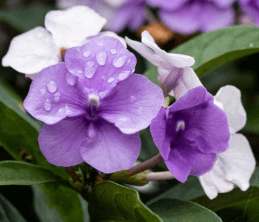 Brunfelsia is a genus of tropical and subtropical shrubs in the Solanaceae (nightshade family), and several species are commonly cultivated for their attractive flowers and pleasant fragrance.
Brunfelsia pauciflora common name: The “Yesterday-Today-and-Tomorrow” Plant
The name comes from this remarkable color-changing feature, where the blooms shift hues over a short period. Another common name for this species is the “Brazilian Rain Tree,” due to its native habitat in Brazil.
However, the “Yesterday-Today-and-Tomorrow” name is more widely recognized, primarily because of the plant’s striking floral display.
This species is cherished for its beautiful, fragrant flowers and vibrant colors, making it a popular ornamental shrub in tropical and subtropical gardens. Its colorful blooms add a touch of beauty and intrigue, enhancing any garden setting.
Key Features of Brunfelsia
- Flower Color Change: The most distinctive feature of Brunfelsia plants is the transformation of their flowers as they age. Flowers typically start as purple or violet and gradually fade to white, often within a 24-hour period. This captivating phenomenon has earned them the nickname “yesterday, today, and tomorrow.”
- Blooming Period: Brunfelsia species often have long-lasting blooms, flowering from spring to fall. The exact blooming period depends on the species and the environment.
- Shrub or Small Tree: Most Brunfelsia species are shrubs or small trees. Some can grow up to 3 meters (10 feet) tall and feature dense, evergreen foliage that gives them a bushy appearance.
- Fragrant Flowers: Many species of Brunfelsia have highly fragrant flowers. The scent is often sweet and aromatic, particularly in the evenings, making them a pleasant addition to gardens.
Brunfelsia varieties
Although Brunfelsia pauciflora is one of the best-known species, there are other cultivars and species within the genus that have similar color-changing flowers and are prized for ornamental use.
Some of the notable Brunfelsia species and varieties:
- Brunfelsia pauciflora (Yesterday-Today-and-Tomorrow)
- Common Name: Yesterday-Today-and-Tomorrow, Brazilian Rain Tree.
- Flower Color: The flowers change color over a period of 2-3 days, starting purple (yesterday), fading to lavender (today), and finally turning white (tomorrow).
- Size: Can grow into a medium-sized shrub or small tree, typically around 2–3 meters (6–10 feet) tall.
- Native to: Brazil.
- Varieties:
- ‘Eximia’: A popular cultivar with vibrant purple flowers that change to white, much like the species.
- ‘Floribunda’: A variant with a more prolific blooming habit.
- Brunfelsia imbricata (Brazilian Rattlebox)
- Common Name: Brazilian Rattlebox.
- Flower Color: Similar to B. pauciflora, flowers start purple and fade to white, though they may also display more noticeable shades of violet.
- Size: Grows to a height of around 1.5–2 meters (5–6 feet).
- Native to: Brazil.
- Notes: This species is known for its strong, pleasant fragrance and is often used as an ornamental shrub.
- Brunfelsia americana
- Common Name: American Brunfelsia.
- Flower Color: Flowers begin purple, change to lavender, and eventually turn white.
- Size: A small to medium shrub.
- Native to: Central America and the Caribbean.
- Notes: While less commonly cultivated than B. pauciflora, B. americana is still appreciated for its beauty and fragrance.
- Brunfelsia latifolia
- Common Name: Large-leaved Brunfelsia.
- Flower Color: Purple flowers that fade to white over time.
- Size: Can grow up to 3 meters (10 feet) tall.
- Native to: South America, particularly in tropical regions.
- Notes: The plant has large, glossy leaves and is favored for its decorative appearance.
- Brunfelsia australis (Brazilian Bluebell)
- Common Name: Brazilian Bluebell.
- Flower Color: Deep blue or purple flowers that turn white as they mature.
- Size: Small to medium shrub, typically 1–2 meters (3–6 feet).
- Native to: Brazil, particularly in the southeastern regions.
- Notes: This variety is less common in cultivation but is admired for its striking floral display and relatively compact growth.
- Brunfelsia mexicana
- Common Name: Mexican Brunfelsia.
- Flower Color: Violet to lavender flowers that age to white.
- Size: Grows to around 1.5–2 meters (5–6 feet).
- Native to: Mexico.
- Notes: Similar in flowering behavior to B. pauciflora, B. mexicana is also prized for its fragrant flowers.
Cultivars & Hybrids
There are also several hybrids and cultivars that may be found in garden centers or botanical collections. These cultivars may vary in flower color intensity, bloom size, or growth habit but generally retain the characteristic color-changing flowers. Some common hybrid cultivars are:
- ‘Alba’: A cultivar with white flowers that may have a slight purplish tint when young.
- ‘Pink Beauty’: A hybrid that tends to have more pinkish hues in its flowers, transitioning to white as they age.
General Characteristics Across the Genus:
- Flower Color Change: One of the most defining features across all varieties and species of Brunfelsia is the changing color of the flowers over time.
- Fragrance: Many species, especially B. pauciflora and B. imbricata, are highly fragrant, emitting a sweet scent, often in the evening or at night.
- Leaves: The plants typically have evergreen, lance-shaped leaves that are dark green and glossy.
- Growth Habit: Most species are bushy shrubs that can range from small to medium in size, with some varieties reaching small tree-like proportions. They often have a spreading or rounded habit.
Is Brunfelsia poisonous to humans
Yes, Brunfelsia pauciflora (and other species within the Brunfelsia genus) can be toxic to humans if ingested. The plant contains compounds that can cause poisoning, primarily in the berries, which are particularly toxic.
The toxicity of the plant is due to the presence of substances like solanine, a toxic glycoalkaloid that is found in other members of the Solanaceae family (such as tomatoes and potatoes in certain conditions).
Symptoms of poisoning in humans (if ingested) might include:
- Nausea
- Vomiting
- Diarrhea
- Abdominal pain
- Headache
In severe cases, particularly if large amounts are consumed, symptoms may become more serious and require medical attention.
Toxicity to Children:
Because of the bright, appealing appearance of the berries, children may be at risk of ingesting them, so it’s important to keep the plant out of reach of young children.
Precautions:
- Keep Brunfelsia plants away from children and pets to avoid accidental ingestion.
- If any part of the plant (especially the berries) is ingested, it’s advisable to seek medical help immediately.
While the plant is beautiful and fragrant, it’s important to handle it with care and be aware of its potential toxicity.
Brunfelsia care
An overview of how to care for Brunfelsia:
-
Light Requirements
- Ideal Light: Brunfelsia plants thrive in bright, indirect light or partial shade. In regions with intense sunlight, especially during the hottest part of the day, some protection from direct sunlight is recommended to prevent leaf scorch.
- Avoid Too Much Shade: While they can tolerate some shade, too little light can reduce flowering and make the plant leggy and weak.
-
Temperature and Humidity
- Temperature: Brunfelsia species are tropical or subtropical plants and prefer warm conditions. They grow best in temperatures between 60°F (15°C) and 85°F (29°C). They are not frost-tolerant, so it’s crucial to keep them in environments where temperatures do not fall below 50°F (10°C).
- Humidity: These plants appreciate higher humidity levels. If you’re growing them indoors, especially in dry climates or air-conditioned environments, consider using a humidifier or placing the plant on a moisture tray (a shallow tray filled with water and pebbles) to increase humidity. Grouping plants together can also help maintain humidity around them.
-
Watering
- Consistent Moisture: Brunfelsia plants prefer evenly moist soil, but they do not like to sit in water. Water the plant regularly, especially during the growing season (spring to fall), but make sure the soil is well-drained. Water when the top inch (2.5 cm) of soil feels dry to the touch.
- Avoid Waterlogging: Ensure that the pot has proper drainage, as sitting in waterlogged soil can lead to root rot. Reduce watering in the winter when the plant is not actively growing.
- Watering Tips: Water with room temperature water, avoiding water that’s too cold, which could shock the plant’s roots.
-
Soil and Fertilization
- Soil: Brunfelsia prefers well-drained, slightly acidic to neutral soil. A good mix for them is a peat-based potting mix, or a loamy, well-draining soil. You can also add some perlite or sand to improve drainage if using a standard potting mix.
- Fertilization:
- During Active Growth: Fertilize the plant every 4-6 weeks with a balanced, water-soluble fertilizer (such as 10-10-10) during the growing season (spring and summer). This helps encourage healthy growth and vibrant flowering.
- Avoid Overfertilizing: Too much fertilizer can lead to excessive leaf growth with fewer flowers. If you’re using a liquid fertilizer, dilute it to half strength.
- Reduce Fertilizing in Fall and Winter: In the dormant period (fall and winter), when the plant isn’t actively growing, reduce or stop fertilization.
-
Pruning and Deadheading
- Pruning: Prune Brunfelsia plants lightly after flowering to maintain their shape and encourage new growth. Remove any dead or damaged branches to keep the plant looking tidy. You can also cut back leggy growth to encourage fuller, more compact growth.
- Deadheading: Regularly remove spent flowers to encourage the plant to focus on new blooms and maintain a neat appearance.
- Shaping: Brunfelsia can tolerate some light shaping or cutting back to control its size, but avoid severe pruning that might stress the plant. Pruning is best done after the main flowering period to avoid cutting off buds.
-
Repotting
- When to Repot: Brunfelsia plants should be repotted every 1–2 years, depending on their growth. Repot in early spring when the plant starts actively growing, just before new growth begins.
- Container Size: Choose a pot that is 1–2 inches (2.5–5 cm) larger in diameter than the current one. Make sure it has proper drainage holes.
- Repotting Process: Gently remove the plant from the old pot, check the roots for rot, and trim away any dead or damaged roots. Add fresh potting mix and place the plant in its new pot.
-
Pest and Disease Management
- Common Pests: While Brunfelsia is relatively pest-resistant, it may occasionally attract:
- Aphids: Small, green or black insects that suck sap from the plant. Remove them with a stream of water or insecticidal soap.
- Spider Mites: Tiny, webbing pests that can cause yellowing and leaf drop. Use a miticide or rinse the plant with water.
- Whiteflies: Small, flying insects that are more common in humid conditions. Control them with insecticidal soap.
- Scale: Small, oval pests that cling to stems and leaves. You can remove them manually or treat the plant with an insecticidal oil like neem oil.
- Diseases: Common diseases in Brunfelsia include:
- Root rot: Caused by waterlogged soil. Ensure good drainage and avoid overwatering.
- Powdery mildew: A fungal disease that can appear as white, powdery spots on leaves. Improve air circulation and avoid overhead watering to prevent mildew.
-
Winter Care
- If you live in a colder climate, bring your Brunfelsia indoors during the winter months, especially if temperatures drop below 50°F (10°C). Place the plant in a bright spot but avoid placing it in drafts or near heaters, as this can dry out the plant.
- Reduce Watering: During the dormant season, the plant’s water needs will decrease, so reduce watering to avoid root rot.
-
Flowering
- Flowering Period: Brunfelsia typically blooms in spring and summer, though some varieties can flower intermittently through the year. The color-changing flowers are its most notable feature, transitioning from purple to lavender to white.
- Encourage Blooming: Regular feeding, appropriate sunlight, and proper watering will promote frequent blooms. If your plant isn’t blooming, check if it’s receiving enough light and nutrients.
-
Toxicity
- Caution: As previously mentioned, Brunfelsia species, particularly the berries, are toxic to humans and pets if ingested. Be cautious when handling the plant around children and animals.